

Microneedling in the San Francisco Bay Area
When Texture Outlasts the Acne
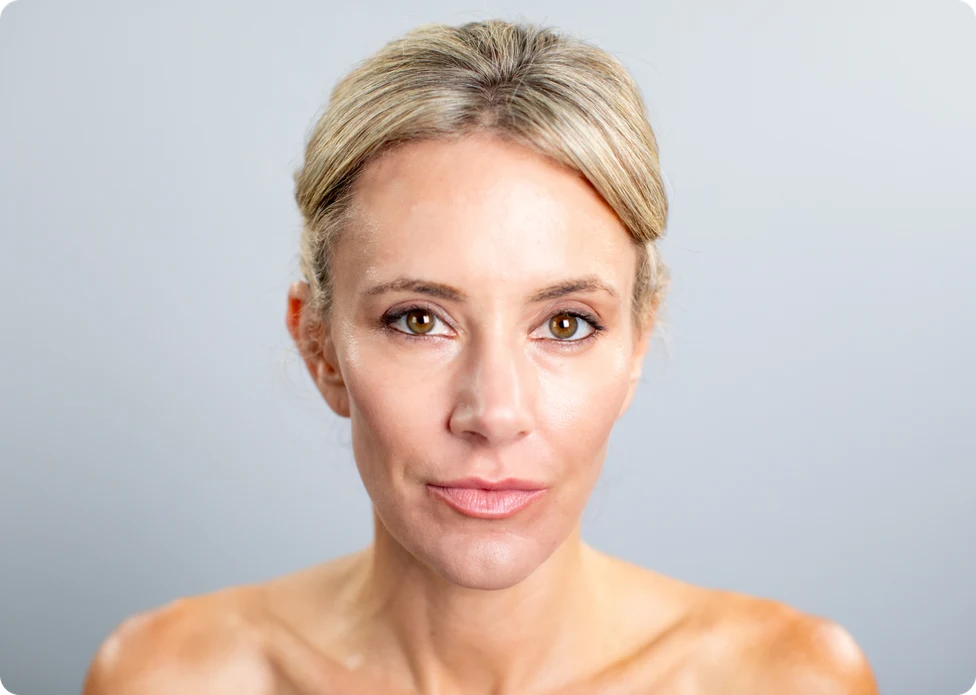
Acne may resolve, yet the texture it leaves behind can remain. Fine lines become more visible as collagen declines. Pores and irregularities that once felt subtle may begin to affect how smooth and rested the skin appears.
Microneedling improves these concerns by prompting the skin to rebuild rather than simply polishing its surface. At NorCal Plastic Surgery, treatment depth and intensity are adjusted to the individual concern, complexion, and recovery preferences for gradual, natural-looking refinement.
Microneedling is available at our office in Tiburon.
What Is Microneedling?
Microneedling, also known as collagen induction therapy, is a minimally invasive treatment that creates precise microchannels in the skin with fine, sterile needles. These controlled injuries initiate a natural healing response that includes new collagen formation and tissue remodeling.
The treatment does not remove layers of skin or rely on laser energy. Instead, it works through the skin's repair process, making improvement progressive rather than immediate.
What Can Microneedling Improve?
Microneedling may improve:
- Facial acne scars
- Fine lines and early wrinkles
- Rough or uneven texture
- Enlarged-looking pores
- Selected scars
- Mild unevenness in tone
- Early changes in skin firmness
The treatment can soften visible irregularities, but it cannot erase every scar, tighten substantial excess skin, restore lost volume, or correct significant facial laxity. Results depend on the type and depth of the concern, treatment settings, number of sessions, and individual healing response.
How Does Microneedling Work?
The microneedling device creates a controlled pattern of narrow channels at a depth selected for the treatment area and concern. The body responds through a sequence of inflammation, tissue formation, and collagen remodeling.
As healing progresses, newly formed collagen supports the skin's structure. This may make selected scars less noticeable, refine texture, and soften fine lines. Because collagen takes time to form and mature, the result develops over several weeks and may continue evolving for months.
Treatment can be adjusted across the face. A superficial textural concern may require a different depth than an acne scar, and delicate areas should not be treated identically to thicker skin.
Can Microneedling Improve Acne Scars?
Microneedling may soften selected depressed acne scars by stimulating collagen within and around the scarred tissue. It is generally better suited to rolling or shallow textural scars than to raised scars or deep, narrow ice-pick scars.
Many patients have more than one scar type. Residual brown or red discoloration may also be mistaken for scarring even though it requires a different approach. An assessment helps determine whether microneedling alone is appropriate or if laser skin resurfacing, a chemical peel, or a staged combination plan may offer greater value.
Active inflammatory or cystic acne should be addressed before scar-focused microneedling. Passing needles through inflamed or infected skin may worsen irritation and complicate healing.
Who Is a Good Candidate for Microneedling?
Microneedling may be appropriate for healthy adults seeking gradual improvement in acne scars, fine lines, pores, or uneven texture without heat-based resurfacing. Because it does not depend on light energy, it may be considered for a broad range of skin tones.
Treatment may not be appropriate, or may need to be postponed, for patients with active acne lesions, infection, open wounds, cold sores, sunburn, or an inflammatory skin flare. A history of keloids, poor wound healing, bleeding disorders, uncontrolled diabetes, immune suppression, or recent isotretinoin use also requires careful review.
Pregnancy, breastfeeding, blood-thinning medication, allergies, prescription skin treatments, and relevant medical conditions should be discussed during consultation. Candidacy is determined individually rather than by skin concern alone.
What Happens During Microneedling?
The skin is cleansed and prepared before treatment. A topical anesthetic may be applied to improve comfort, depending on the planned depth and treatment area.
The device is passed across the skin in a controlled pattern. Patients may feel pressure, vibration, warmth, or prickling. Pinpoint bleeding can occur at certain treatment depths and does not necessarily indicate a complication.
Treatment time depends on the size and number of areas addressed. Afterward, the skin typically appears flushed and may feel warm, tight, or sensitive. Your provider will explain how to cleanse, moisturize, and protect the treated area while it heals.
Medical microneedling should be performed with appropriate sterile technique and a new needle cartridge for each treatment session. At-home rollers should not be viewed as substitutes for a professionally planned procedure.
What Is Recovery Like?
Microneedling recovery is generally brief, although the visible response varies with treatment depth and skin sensitivity. Redness often resembles a sunburn and commonly improves within 24 to 72 hours. Mild swelling, warmth, tightness, dryness, roughness, or flaking may persist somewhat longer.
Avoid scrubbing, picking, exfoliating, or applying retinoids and strong acids until the skin has recovered. Direct sun exposure, excessive heat, strenuous exercise, and swimming may also need to be paused temporarily.
The skin may react differently to products it normally tolerates. Follow the aftercare instructions provided rather than introducing new serums or active ingredients during early healing.
When Will Microneedling Results Appear?
Early improvement in smoothness may become noticeable within several weeks, but collagen remodeling takes longer. More meaningful changes often develop over two to three months as the skin completes successive stages of repair.
A series of three to six treatments, often spaced approximately four to six weeks apart, may be considered depending on the concern and healing response. Established acne scars generally require more than one session. Treatment frequency should be adjusted according to progress rather than fixed without reassessment.
Results may last for several months or longer, but the skin continues to age and lose collagen. Periodic maintenance, broad-spectrum sunscreen, and a compatible professional skin care regimen may help preserve the improvement.
Microneedling Compared With Laser Resurfacing
Microneedling creates controlled mechanical channels without using light or heat. Laser resurfacing uses energy to target pigment, remove damaged surface cells, or create thermal treatment zones.
Microneedling may be preferred when acne scars, pores, and texture are the primary concerns and gradual collagen remodeling is desired. Laser treatment may provide more targeted correction for visible sun damage, red or brown discoloration, and concerns requiring ablative resurfacing.
Neither option is universally better. Complexion, scar pattern, pigmentation history, desired correction, and tolerance for downtime should guide the recommendation.
What Are the Risks of Microneedling?
Expected short-term effects may include redness, tightness, dryness, itching, peeling, discomfort, pinpoint bleeding, bruising, or crusting. Less common complications include infection, cold sore reactivation, prolonged irritation, scarring, and temporary or lasting pigment changes.
Risk is influenced by needle depth, device technique, skin condition, medical history, and aftercare. Microneedling may also produce less improvement than anticipated, particularly when a scar or concern is not well suited to the treatment.
Why Choose NorCal Plastic Surgery for Microneedling?
Microneedling is often presented as a standardized treatment, but its value depends on judgment. The device must reach an appropriate depth for the concern without creating unnecessary inflammation or risk.
NorCal Plastic Surgery evaluates microneedling within a complete range of facial med spa treatments. In a practice led by board-certified plastic surgeon Dr. Timothy Rankin, recommendations account for both skin quality and the broader anatomy of facial aging. This helps clarify what microneedling may realistically accomplish and when a different approach may be more precise.
Frequently Asked Questions About Microneedling
Does microneedling hurt?
Microneedling may create pressure, prickling, warmth, or sensitivity, but a topical anesthetic is commonly used to improve comfort. Sensation varies with needle depth, treatment area, and individual tolerance. Scarred or bony areas may feel more noticeable. Your provider will explain the planned settings and comfort measures before treatment.
How many microneedling treatments will I need?
Many patients benefit from a series of three to six treatments, but the appropriate number depends on the concern and response of the skin. Mild textural changes may require fewer sessions than established acne scars. Treatments are commonly spaced several weeks apart so the skin can heal and collagen remodeling can progress.
Is microneedling safe for darker skin tones?
Microneedling may be considered for a broad range of skin tones because it does not rely on laser energy. Pigment changes are still possible, especially when the skin is treated too aggressively or exposed to sun during healing. Patients with a history of post-inflammatory hyperpigmentation should discuss it before treatment.
Does microneedling permanently shrink pores?
No treatment permanently closes pores. Microneedling may make enlarged pores appear less noticeable by improving texture and collagen support around them. Results vary with oil production, skin quality, age, treatment depth, and the number of sessions completed.
Can microneedling be combined with other treatments?
Yes, microneedling may be coordinated with chemical peels, laser treatments, HydraFacial, injectables, or professional skin care when appropriately timed. Treatments that create inflammation should not be layered indiscriminately. A staged plan gives the skin time to recover and may reduce irritation and pigment risk.
Is professional microneedling different from an at-home dermaroller?
Yes. Professional microneedling uses controlled needle depth and sterile technique to treat living layers of skin. Most at-home rollers are intended for more superficial use and cannot reproduce a medical treatment. Deeper unsupervised needling may cause bleeding, infection, scarring, or discoloration.
How much does microneedling cost?
Cost depends on the treatment area, depth, number of sessions, and whether microneedling is part of a broader plan. NorCal Plastic Surgery provides individualized pricing after evaluating the skin and establishing a treatment strategy. Qualified patients may also review available financing options.
Schedule a Microneedling Consultation
Microneedling is most effective when depth, timing, and expectations are aligned with the concern. The goal is not simply to create a treatment response, but to direct the skin's healing process toward a smoother, more refined result.
Request a complimentary consultation with NorCal Plastic Surgery. Our Tiburon office welcomes patients throughout the greater San Francisco Bay Area.
Request a consultation at the Tiburon office in Marin County by calling (415) 727-9666. You may also schedule a consultation online.




Patient Stories
Hear From Our Patients
Real patients share what it's like to trust Dr. Rankin and our team — from the first consultation through recovery.
Watch Their Stories