

Fat Transfer Breast Augmentation in the San Francisco Bay Area
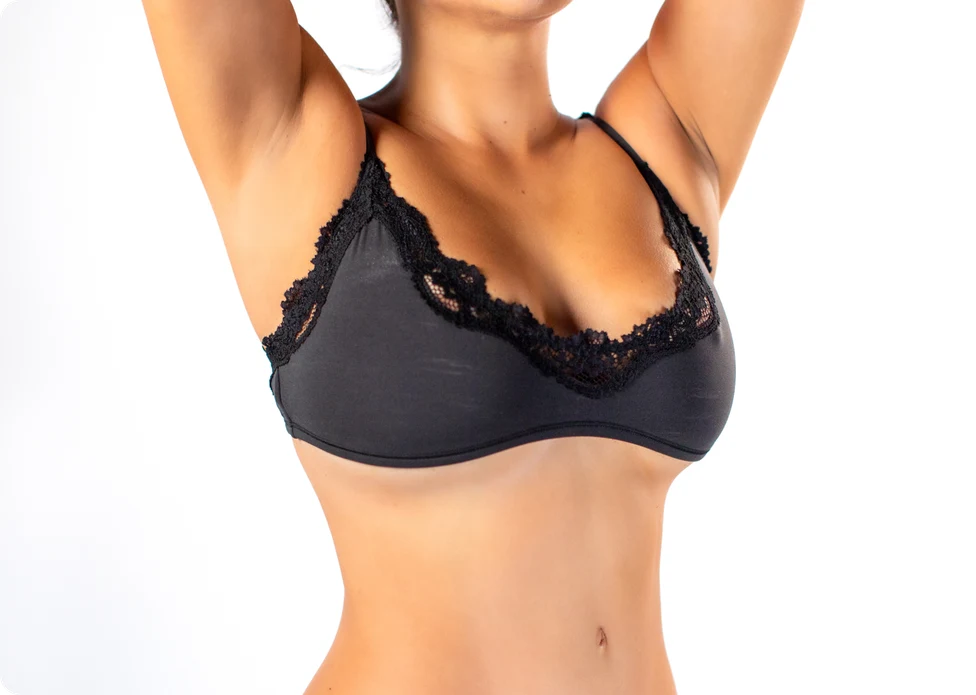

For patients who want modest breast fullness without implants, fat transfer offers an approach built entirely around their own tissue. Fat is removed from another area of the body, prepared, and placed strategically within the breasts to refine volume and shape.
At NorCal Plastic Surgery, board-certified plastic surgeon Dr. Timothy Rankin considers both sides of the procedure: what the donor areas can provide and what the breasts can safely support. The result is intended to be subtle, proportional, and distinctly personal.
What Is Fat Transfer Breast Augmentation?
fat transfer breast augmentation, also called breast fat grafting, uses liposuction to collect fat from areas such as the abdomen, flanks, or thighs. The harvested tissue is processed and transferred into selected areas of the breasts through small incisions.
The grafted cells must establish a new blood supply to survive. Some fat is naturally absorbed during healing, so early fullness does not represent the final volume.
What Can Breast Fat Transfer Accomplish?
fat transfer may:
- Create a modest increase in breast volume
- Restore subtle fullness after pregnancy or weight loss
- Improve selected differences in breast shape or size
- Refine upper-breast and cleavage contours
- Soften certain contour irregularities
- Improve donor-area contour through liposuction
The procedure does not reliably produce dramatic enlargement or guarantee a specific cup size. It also cannot lift significantly descended breasts.
Fat Transfer or Breast Implants?
fat transfer and breast augmentation with implants solve different problems.
fat transfer is best suited to patients seeking subtle enlargement with their own tissue. It requires sufficient donor fat, and the final volume is less predictable because retention varies.
Implants provide greater control over size, width, and projection. They may be more appropriate when the desired increase exceeds what fat grafting can reasonably achieve.
The choice depends on anatomy, desired volume, available donor fat, tolerance for future implant monitoring, and willingness to accept uncertainty in fat survival.
Can Fat Transfer Lift the Breasts?
fat transfer restores volume but does not meaningfully elevate breast tissue or reposition a low nipple. It may improve mild deflation, but it cannot correct significant skin laxity.
When volume loss and tissue descent occur together, Dr. Rankin may recommend a breast lift with or without fat grafting. The treatment plan should address both shape and position rather than asking added volume to compensate for loose skin.
Who Is a Candidate for Fat Transfer Breast Augmentation?
fat transfer may be appropriate for adults who want a modest increase and have enough donor fat for harvesting. Candidates should be in suitable health for surgery, avoid nicotine, maintain a relatively stable weight, and understand that not every transferred cell will survive.
Dr. Rankin evaluates:
- Existing breast volume and shape
- Breast symmetry
- Skin quality and nipple position
- Desired degree of enlargement
- Donor-fat distribution
- Previous breast surgery
- Breast-health history
- Weight stability
- Future pregnancy plans
Very lean patients may not have enough donor fat. Patients seeking a larger or more predictable increase may be better candidates for implants.
How Is Fat Transfer Breast Augmentation Performed?
The procedure has three stages: harvesting, preparation, and placement.
Fat is first collected through liposuction from one or more areas selected during planning. The tissue is then processed to separate viable fat from fluid, oil, blood, and damaged cells.
Dr. Rankin places the prepared fat throughout selected breast tissues in small amounts. Distributing the graft creates greater contact with the surrounding blood supply and allows careful control of contour and symmetry.
The amount transferred is limited by the capacity of the breast tissues. Adding more than the tissues can support does not guarantee greater retained volume and may increase the risk of complications.
What Is Recovery Like?
Recovery involves both the breasts and the liposuction areas. Swelling, bruising, tenderness, and temporary firmness may occur in each.
Many patients reserve approximately one week for early recovery, although the timeline depends on the extent of liposuction, number of donor sites, and individual healing. Compression garments may be recommended for the donor areas. Breast-support instructions are individualized because excessive pressure may interfere with the newly transferred fat.
Walking is encouraged early. Heavy lifting and strenuous exercise remain restricted until Dr. Rankin confirms that healing is sufficiently advanced.
When Will Results Be Visible?
An increase in breast volume is visible immediately, but swelling and expected fat resorption make the early appearance temporary.
The result becomes more reliable over several months as swelling resolves and the surviving cells establish a blood supply. Fat retention may differ between breasts. Additional grafting may be considered if retention is limited or the desired correction cannot be achieved safely in one procedure.
How Long Do Results Last?
Fat cells that survive the transfer may remain long term and behave like other fat in the body. They can enlarge with weight gain and shrink with weight loss.
Pregnancy, aging, hormonal changes, and weight fluctuations will continue to affect the breasts. No surgeon can guarantee how much fat will survive or that breast volume will remain unchanged throughout life.
Breast Imaging After Fat Transfer
Fat grafting can create benign findings such as fat necrosis, oil cysts, or calcifications. These changes may appear on future mammograms, ultrasounds, or MRI studies.
Patients should continue recommended breast cancer screening and tell the imaging facility about previous fat transfer. Additional imaging or biopsy may occasionally be necessary to distinguish postoperative changes from other breast findings.
Depending on age, symptoms, health history, and screening guidance, breast imaging may be recommended before surgery.
Risks and Limitations
Potential risks include bleeding, infection, scarring, asymmetry, altered sensation, prolonged swelling, fat necrosis, oil cysts, calcifications, contour irregularity, undercorrection, overcorrection, and additional surgery.
Liposuction carries separate donor-site risks, including fluid collection, uneven contour, prolonged numbness, and changes in skin appearance. Rare but serious complications may occur with any surgical procedure.
fat transfer cannot guarantee equal retention, perfect symmetry, or a particular cup-size increase. Dr. Rankin will review the anticipated change, alternatives, and individual risks before surgery.
A Two-Part Approach to Breast Contouring
fat transfer is both a breast procedure and a body-contouring procedure. Success depends on choosing donor areas thoughtfully, preserving viable fat, and placing only the volume the breasts can reasonably support.
Dr. Rankin may recommend fat transfer, implants, a breast lift, a combination procedure, or no surgery. Patients considering a broader plan may also explore NorCal Plastic Surgery’s breast procedures, mommy makeover, and before-and-after gallery.
Frequently Asked Questions About Fat Transfer Breast Augmentation
How much larger can my breasts become with fat transfer?
fat transfer generally creates a modest increase. The amount depends on donor-fat availability, breast anatomy, tissue capacity, and fat survival. Because bra sizing varies and retention cannot be predicted precisely, a specific cup-size increase cannot be guaranteed.
How much of the transferred fat survives?
Fat survival varies with anatomy, graft volume, healing, weight stability, nicotine exposure, and other factors. Some absorption is expected. The retained volume becomes clearer over several months, and another procedure may be considered if additional fullness is appropriate.
Does fat transfer breast augmentation leave scars?
The procedure uses small access incisions for liposuction and fat placement, so scars are usually limited but not absent. Their appearance depends on location, skin characteristics, healing, and postoperative care.
Can fat transfer correct breast asymmetry?
It may improve modest asymmetry by adding different amounts of fat to selected areas. Differences in the breast footprint, ribs, nipples, skin, and fat retention may remain. More significant asymmetry may require another surgical approach.
Is fat transfer safer than breast implants?
fat transfer avoids implant-specific concerns such as rupture and capsular contracture, but it has different risks, including fat necrosis, oil cysts, calcifications, uneven retention, and donor-site complications. Neither option is appropriate for every patient.
Will fat transfer interfere with mammograms?
Fat grafting may create benign imaging changes. Patients should continue recommended screening and tell the imaging center about the procedure. Additional views, ultrasound, MRI, or biopsy may occasionally be needed to evaluate a finding.
How much does fat transfer breast augmentation cost?
Cost depends on the number of donor areas, liposuction extent, anesthesia, facility requirements, surgical complexity, and whether another procedure is included. NorCal Plastic Surgery provides an individualized estimate after consultation. Qualified patients may also review plastic surgery financing options.




Patient Stories
Hear From Our Patients
Real patients share what it's like to trust Dr. Rankin and our team — from the first consultation through recovery.
Watch Their Stories