

Brow Lift Surgery in the San Francisco Bay Area
When Your Expression Begins Telling the Wrong Story
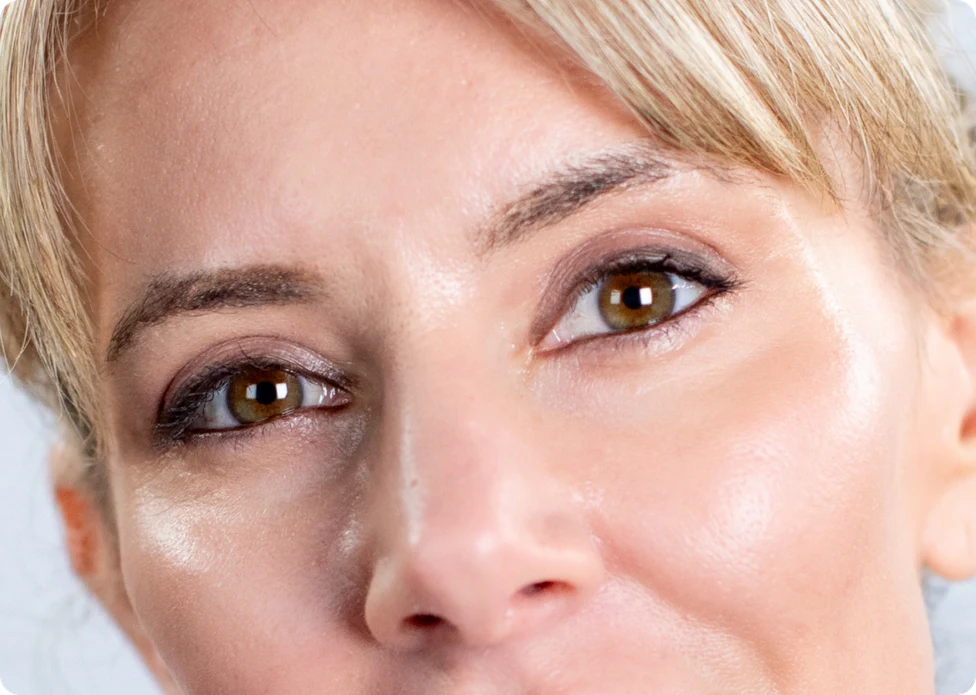
The eyebrows frame the eyes, but they also shape the emotions a face appears to convey. As the brows descend, a relaxed expression may begin to look tired, tense, or concerned. The eyes seem smaller. The upper eyelids feel heavier. Friends ask if something is wrong when nothing is.
These changes often develop too gradually to recognize their source. Many people assume the problem is excess eyelid skin. In some cases, it begins higher on the face, where a lowered brow pushes tissue toward the eyes.
A brow lift restores a more youthful relationship among the forehead, eyebrows, and upper eyelids. It is not intended to create a dramatic arch or permanently surprised expression. The goal is to reopen the upper face while preserving the expressions that make it personal.
At NorCal Plastic Surgery, board-certified plastic surgeon Timothy Rankin, MD, FACS, plans brow lift surgery around each patient's natural brow shape, forehead movement, eyelid anatomy, and hairline. Serving patients throughout the San Francisco Bay Area from our office in Tiburon, his approach is guided by restraint. The best result does not call attention to the brows. It allows attention to return to the eyes.
What Is a Brow Lift?
A brow lift, also called a forehead lift, is a surgical procedure that repositions descended eyebrows and the tissues that support them. It can reduce heaviness above the upper eyelids, soften certain forehead and frown lines, and restore a more rested expression.
Depending on the patient's anatomy, a brow lift may:
- Elevate low or drooping eyebrows
- Reduce heaviness above the upper eyelids
- Open the appearance of the eyes
- Improve brow position or asymmetry
- Soften certain forehead and frown lines
- Reduce a tired, worried, or angry appearance
- Restore balance across the upper face
A brow lift does not alter the eyes themselves or eliminate every forehead wrinkle. It addresses the position of the brows and surrounding tissues.
Brow or Eyelids? The Distinction Matters.
Heavy upper eyelids may result from descended eyebrows, excess eyelid skin, or both. Identifying the cause is one of the most important parts of planning upper-face rejuvenation.
When a low brow pushes tissue downward, removing eyelid skin alone may leave the underlying heaviness unresolved. Conversely, elevating the brow cannot remove true excess skin from the eyelids.
Dr. Rankin evaluates both areas before recommending treatment. A brow lift may be sufficient when brow descent is the primary concern. Eyelid lift surgery may be more appropriate when the brows remain well positioned. When both have changed, combining the procedures can restore a more coherent relationship between the forehead, brows, and eyes.
The objective is not to perform more surgery. It is to treat the correct structure.
Preserving Expression Is the Point
A brow lift changes the way the eyes are framed and the emotions the face appears to communicate. Even a subtle adjustment can make an expression feel more open. Too much elevation can make it look unfamiliar.
Dr. Rankin studies the brows at rest and in motion. He considers their height, shape, symmetry, natural arch, and relationship to the eyelids. He also accounts for differences in facial structure and masculine or feminine brow position.
Rather than lifting every brow toward an idealized height, he determines how much correction will relieve heaviness without erasing character. The intention is not to give the face a new expression. It is to remove the tension or fatigue that does not belong there.
Brow Lift vs. Botox
A brow lift and Botox® address different causes of upper-face aging.
Botox temporarily relaxes the muscles responsible for dynamic forehead and frown lines. It may also produce a subtle change in brow position by altering muscle activity. It cannot permanently reposition a significantly descended brow.
A brow lift restores structural support by repositioning the brows and forehead tissues. It may be more appropriate when heaviness above the eyes persists even after expression lines have been softened.
Some patients need only Botox. Others continue using conservative injections after brow lift surgery to manage dynamic lines. Dr. Rankin distinguishes between muscle activity and tissue descent before recommending either treatment.
Is a Brow Lift Right for Me?
A brow lift may be appropriate when lowered eyebrows make the upper eyelids appear heavy or cause the face to look persistently tired, tense, or concerned.
Possible signs include:
- Low or drooping eyebrows
- Hooding caused by descended brow tissue
- Reduced openness around the eyes
- Brow asymmetry
- Deep forehead lines from repeatedly raising the brows
- Difficulty applying eye makeup because of upper-face heaviness
- An expression that no longer reflects how you feel
Candidates should be healthy enough for elective surgery, understand the recovery and scar tradeoffs, and have realistic expectations. Nicotine use must be discussed because it can interfere with circulation and healing.
A brow lift may not be appropriate when the concern is isolated eyelid skin, muscle-related wrinkles without meaningful brow descent, or another feature that surgery will not correct. In those cases, Dr. Rankin may recommend eyelid surgery, Botox, another treatment, or no intervention.
Planning a Brow Lift Around the Individual Face
No two brows descend in exactly the same way. One may sit lower than the other. The outer brow may fall while the center remains appropriately positioned. Forehead height, hairline location, and hair density also influence the surgical plan.
Dr. Rankin evaluates the entire upper face, including:
- Brow position, shape, and symmetry
- Upper-eyelid skin and tissue
- Forehead height and movement
- Hairline position and hair density
- Frown lines and horizontal forehead lines
- Skin quality and elasticity
- Previous Botox, filler, or facial surgery
- The relationship between the upper and lower face
This analysis determines whether surgery is appropriate, which approach may offer the best access and scar concealment, and how much correction can be made without disturbing natural expression.
How Is Brow Lift Surgery Performed?
Brow lift technique and incision placement depend on the degree and pattern of brow descent, forehead height, hairline, hair density, and treatment goals.
Incisions are often placed within or near the hair-bearing scalp, where they can be concealed as effectively as possible. Through these incisions, Dr. Rankin repositions the forehead tissues and restores the brows to a more appropriate height. Excess tissue may be addressed according to the individual plan.
The procedure is not intended to pull the forehead tight or eliminate normal movement. Its purpose is to reduce descent while preserving the face's ability to express emotion.
Brow lift surgery is generally performed as an outpatient procedure and commonly takes one to two hours. The exact duration and anesthesia plan depend on the technique and whether another procedure is included. Patients usually return home the same day with detailed postoperative instructions.
Brow Lift Scars
Every brow lift creates permanent scars. Their position depends on the surgical approach, anatomy, hairline, and hair density.
Incisions are often placed within the scalp or along another location selected for concealment. They may initially appear pink or firm before gradually maturing. Temporary thinning or hair loss near an incision is also possible.
Final visibility varies with placement, genetics, skin type, hair density, tissue tension, sun exposure, nicotine use, and postoperative care. Dr. Rankin will explain the proposed incision pattern and scar tradeoffs before surgery. No scar can be guaranteed to disappear.
Recovery and Results
Swelling, bruising, forehead tightness, and temporary numbness are expected during early recovery. Bruising may extend around the eyes even when eyelid surgery has not been performed.
The first week generally centers on rest, elevation, incision care, light walking, and follow-up appointments. Strenuous activity should be avoided according to Dr. Rankin's instructions and the blepharoplasty and brow lift recovery guide.
Many patients return to desk-based work and routine activities within one to two weeks. Those with public-facing roles may prefer additional time, particularly when another facial procedure is performed.
The brows may initially appear higher than expected because of swelling and early tissue tension. They settle gradually as the forehead softens and movement becomes more familiar. Meaningful improvement may be visible within the first month, while subtle swelling, sensation, scars, and final brow position can continue to refine for several months.
A brow lift creates a long-lasting structural improvement, but it does not stop aging. Genetics, skin quality, sun exposure, lifestyle, and changes in the hairline influence how the result evolves. Some patients continue using Botox or skin treatments to address dynamic wrinkles and surface aging after surgery.
Risks and Considerations
Potential risks include bleeding, infection, anesthesia complications, delayed healing, unfavorable scarring, asymmetry, changes in sensation, persistent numbness, hair loss near the incisions, changes in the hairline, temporary or lasting changes in forehead movement, dissatisfaction, and the possibility of revision surgery.
Swelling, bruising, tightness, and altered sensation are expected during early healing. Other concerns may persist or require additional treatment.
Careful planning, nicotine avoidance, and adherence to postoperative instructions can reduce certain risks but cannot eliminate them. Dr. Rankin will review the considerations relevant to the patient's health, anatomy, and proposed procedure before surgery.
Why Choose Dr. Timothy Rankin?
A brow lift is not simply a matter of raising the eyebrows. It changes the visual relationship among the forehead, eyes, and upper eyelids. It can also change the emotion the face appears to express.
Dr. Rankin is certified by the American Board of Plastic Surgery and is a Fellow of the American College of Surgeons. His approach begins by identifying whether the concern truly originates with the brows, the eyelids, muscle activity, or a combination of factors.
He does not apply the same arch, height, or technique to every patient. The plan reflects the individual's brow shape, expression, hairline, eyelid anatomy, and desired degree of change. When surgery is appropriate, the correction is measured to restore openness without making the upper face look fixed or altered.
Patients may review brow lift before-and-after results to better understand Dr. Rankin's aesthetic approach. Individual results vary.
Your Private Consultation
A consultation should clarify why the upper face appears heavy and which treatment, if any, addresses the cause.
Dr. Rankin will evaluate the forehead, brows, eyelids, and hairline at rest and during expression. He will also review medical history, medications, supplements, nicotine exposure, previous surgery, Botox or filler treatments, and concerns about healing or scarring.
Patients should leave the consultation understanding:
- Whether brow descent is contributing to the concern
- Whether a brow lift, eyelid lift, Botox, or another treatment is appropriate
- Which surgical approach may be recommended
- Where incisions would be placed
- What degree of improvement is realistic
- What recovery and scar maturation may involve
- Which risks and limitations are relevant
- The personalized cost of treatment
An honest recommendation may involve surgery, a less extensive treatment, or no treatment at all.
Frequently Asked Questions About Brow Lift Surgery
Will a brow lift make me look surprised?
A carefully planned brow lift should not create a permanently surprised expression. That appearance can result from excessive elevation or a brow position that does not suit the face. Dr. Rankin determines the degree and direction of correction according to the patient's natural brow shape and facial proportions.
Does a brow lift replace eyelid surgery?
Not always. A brow lift repositions descended eyebrows, while eyelid surgery removes true excess eyelid skin and may address other eyelid tissues. Some patients benefit from one procedure, while others require both. The appropriate plan depends on what is causing the heaviness.
Can a brow lift improve hooded eyes?
It may improve hooding caused by descended brow tissue. When the brows are pushing tissue downward, repositioning them can create a more open appearance. Hooding caused by excess eyelid skin or inherited eyelid anatomy may require eyelid surgery instead.
Will a brow lift change my eye shape?
A brow lift does not alter the eyes themselves. It changes the position of the tissues that frame them. The eyes may appear more open after heaviness is reduced, but surgery should preserve their natural shape and expression.
Will I still need Botox after surgery?
Possibly. A brow lift repositions the eyebrows but does not permanently stop the muscle movement responsible for dynamic forehead and frown lines. Some patients continue using conservative Botox after healing to manage expression lines.
Can men have brow lift surgery?
Yes. Male brows generally sit lower and flatter than female brows. Surgical planning should preserve those characteristics and avoid excessive elevation or arching. The direction and degree of correction are adapted to the patient's facial structure.
How much downtime should I expect?
Many patients return to desk-based work within one to two weeks. Swelling, bruising, tightness, or visible incisions may remain, especially when another procedure is included. Recovery varies, and surgery should be planned well before an important event.
How much does a brow lift cost in the San Francisco Bay Area?
Cost depends on the technique, anesthesia, facility fees, and whether eyelid surgery or another procedure is included. NorCal Plastic Surgery provides a personalized estimate after consultation. Qualified patients may also explore available plastic surgery financing options.
Let Your Eyes Speak for You Again
A lowered brow can make the face appear to carry an emotion that is not there. Restoring it is not about creating higher eyebrows. It is about removing the heaviness that has begun to obscure the eyes and alter the expression.
Request a consultation at the Marin County office in Tiburon by calling (415) 727-9666. You may also schedule a consultation online.




Patient Stories
Hear From Our Patients
Real patients share what it's like to trust Dr. Rankin and our team — from the first consultation through recovery.
Watch Their Stories