Facial Fat Grafting in the San Francisco Bay Area
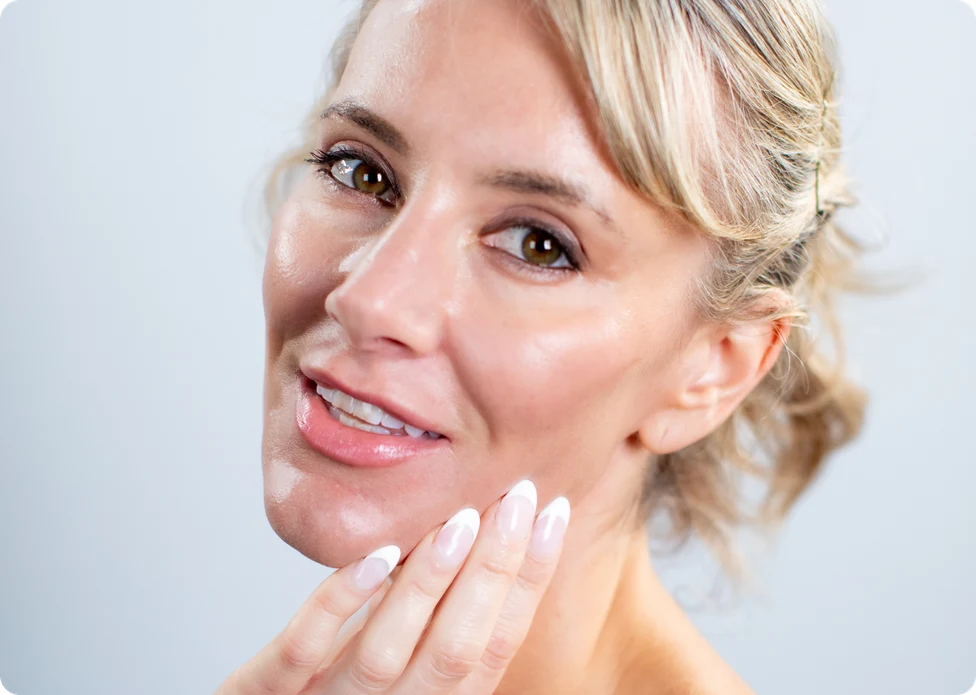
A face can begin to look tired or drawn before significant skin laxity appears. As volume recedes from the cheeks, temples, lower eyelids, and areas around the mouth, familiar contours flatten and shadows become more pronounced.
Facial fat grafting restores selected areas using a patient's own tissue. At NorCal Plastic Surgery, board-certified plastic surgeon Dr. Timothy Rankin approaches the procedure with restraint, restoring proportion and softness without creating indiscriminate fullness.
NorCal Plastic Surgery welcomes facial fat grafting patients from throughout the San Francisco Bay Area at its Tiburon office.
What Is Facial Fat Grafting?
Facial fat grafting, also called autologous fat transfer, is a surgical procedure that moves fat from one area of the body to the face. The fat is collected through small incisions, processed, and placed in precise amounts where aging, genetics, or weight loss has diminished volume.
The procedure may be used to restore flattened cheeks, soften hollow temples, improve selected depressions beneath the eyes, replenish support around the mouth, or refine certain contour irregularities. The objective is not a fuller face. It is a more balanced relationship between its features.
Where Can Facial Fat Be Restored?
Cheeks and Midface
Loss of cheek volume can flatten the midface, deepen the transition beneath the eyes, and make folds around the mouth more visible. Strategic fat placement may restore gentle projection and smoother contours without exaggerating the cheekbones.
Temples
Hollow temples can make the upper face appear narrow or skeletal. Conservative volume restoration may soften this area while preserving the natural shape of the forehead, brows, and cheeks.
Lower Eyelids and Tear Troughs
Volume loss beneath the eyes may create a visible groove or persistent shadow. Fat grafting may improve this transition in appropriately selected patients, sometimes in combination with eyelid surgery. Because the tissues are thin and anatomically complex, careful patient selection is essential.
Around the Mouth
Diminished support around the mouth may contribute to deeper folds and an abrupt transition into the lower face. Rather than filling individual lines, fat grafting may restore broader structural support where appropriate.
Chin and Jawline
Selected placement may improve contour through the chin or jawline. Fat transfer does not, however, tighten loose skin or reposition descended tissues. Patients with jowling or more advanced laxity may be better served by facelift surgery.
Facial Fat Grafting or Dermal Fillers?
Facial fat grafting and dermal fillers both replace volume, but they offer different treatment experiences. Fillers provide temporary, nonsurgical correction with comparatively little downtime. Fat grafting requires surgery and a donor site, but the portion of fat that survives may provide lasting restoration.
Dermal fillers may be appropriate for modest, highly targeted adjustments or for patients who prefer a nonsurgical option. Fat grafting may suit patients with broader volume loss, those seeking an autologous treatment, or those already planning facial surgery.
The right choice depends on anatomy, previous treatments, desired longevity, tolerance for recovery, and the amount of correction required.
When Is Fat Grafting Combined With a Facelift?
A facelift and facial fat grafting address different aspects of aging. A facelift repositions tissues that have descended. Fat grafting restores selected volume that has diminished.
When laxity and deflation occur together, combining the procedures may create a more complete result than either could achieve alone. Dr. Rankin evaluates facial position, volume, skin quality, and skeletal support together, then recommends only the elements needed to restore a natural sense of proportion.
Who Is a Candidate for Facial Fat Grafting?
Facial fat grafting may be appropriate for adults with localized hollowing who want to restore volume using their own tissue. Candidates should be in suitable health for surgery, have enough donor fat for the planned treatment, and understand that fat survival varies.
A consultation is particularly important for patients with previous facial surgery, existing filler, significant weight changes, nicotine use, or medical conditions that may affect healing. Fat transfer is not the correct solution for every hollow, fold, or shadow. In some cases, filler, lifting surgery, skin treatment, or no procedure may be more appropriate.
How Is Facial Fat Grafting Performed?
Fat is typically harvested from an area such as the abdomen, flanks, or thighs using a limited liposuction technique. It is then prepared and transferred into selected facial areas in small, controlled amounts.
The transferred cells must establish a blood supply within the surrounding tissue to survive. For this reason, fat is distributed carefully rather than deposited as a single large volume. The donor area, placement pattern, anesthesia plan, and possibility of combining procedures are determined individually.
What Is Recovery Like?
Swelling and bruising may develop in both the face and donor area. Treated features often appear fuller or temporarily uneven at first because swelling obscures the eventual contour. Some transferred fat is also naturally absorbed during healing.
Many patients plan approximately one to two weeks away from prominent social or professional obligations, although recovery varies with treatment extent and whether other procedures were performed. Exercise, pressure on treated areas, and other activities may be restricted until Dr. Rankin advises that they are appropriate.
Facial contours continue to refine as swelling resolves and the retained fat stabilizes. This process may take several months.
When Will Results Become Visible?
An immediate change is visible, but the early appearance is not the final result. Swelling and expected fat resorption alter the contour during the first phase of healing.
A more dependable result emerges gradually over the following months. The amount of retained volume varies among patients and treatment areas, which is why early fullness should not be interpreted as the eventual outcome.
How Long Does Facial Fat Grafting Last?
Fat that survives the transfer and develops a blood supply may remain for years. These cells become living tissue and can change with future weight gain or loss.
Facial aging still continues, and fat retention cannot be guaranteed. Some patients may eventually consider additional treatment because of resorption, weight fluctuation, or continued changes in facial structure.
Risks and Limitations
Facial fat grafting carries risks, including bleeding, infection, prolonged swelling, asymmetry, contour irregularity, oil cysts, fat necrosis, donor-site changes, partial fat resorption, and the possible need for further treatment. Rare but serious complications can occur if fat enters a blood vessel.
The procedure also has clear limitations. It cannot substantially tighten loose skin, reposition descended tissues, or reliably correct every under-eye concern. Dr. Rankin will review the expected benefits, alternatives, uncertainties, and patient-specific risks before surgery.
Dr. Rankin's Approach to Facial Volume
Effective fat grafting depends on knowing where volume belongs and where it does not. Dr. Rankin evaluates the face as a whole, considering fat distribution, skeletal support, tissue position, skin quality, symmetry, previous filler, prior surgery, and weight history.
The consultation is intended to determine:
- Which areas, if any, would benefit from fat transfer
- Whether filler or another procedure is more appropriate
- Where donor fat may be collected
- Whether fat grafting should be performed alone or with facial surgery
- What recovery may involve
- What degree of improvement is realistic
- Which risks and limitations are most relevant
Patients considering a broader facial rejuvenation plan may also explore NorCal Plastic Surgery's facial surgery procedures and before-and-after gallery.
Frequently Asked Questions About Facial Fat Grafting
Will facial fat grafting make my face look overfilled?
Not when treatment is planned and performed conservatively. The purpose is to restore selected contours rather than enlarge the face. Early swelling may temporarily create more fullness than expected, so the initial appearance should not be mistaken for the final result. The face gradually refines as swelling resolves and some transferred fat is absorbed.
Is facial fat grafting permanent?
The fat that survives and establishes a blood supply may provide long-lasting volume, but survival varies and cannot be guaranteed. Some transferred cells are naturally absorbed during healing. The retained fat also remains subject to aging and weight changes, so additional treatment may be considered over time.
Is fat grafting better than filler?
Neither treatment is universally better. Fillers offer temporary correction without surgery and may be preferable for subtle adjustments. Fat grafting requires a donor site and more recovery but may offer broader, longer-lasting restoration. The appropriate choice depends on anatomy, treatment goals, previous filler, and willingness to undergo surgery.
Can fat grafting improve under-eye hollows?
It may improve selected under-eye hollows, but not every concern in this area is caused by volume loss. Protruding fat, loose skin, pigmentation, and lower-eyelid anatomy may require a different approach. Dr. Rankin evaluates the eyelid and cheek together before recommending fat grafting, blepharoplasty, or another treatment.
Can facial fat grafting replace a facelift?
No. Fat grafting restores volume but does not significantly tighten loose skin or reposition descended tissues. A facelift addresses laxity and jowling, while fat transfer addresses deflation. Patients with both concerns may benefit from combining the procedures.
Where is the donor fat taken from?
Fat is commonly collected from the abdomen, flanks, or thighs. The donor site depends on body composition, available tissue, and the volume needed for treatment. Facial grafting usually requires a modest amount of fat, and harvesting is performed to obtain viable tissue rather than provide comprehensive body contouring.
How much does facial fat grafting cost?
The cost depends on the number of facial areas treated, donor site, anesthesia and facility needs, and whether other procedures are performed. NorCal Plastic Surgery provides an individualized estimate after consultation. Qualified patients may also review available plastic surgery financing options.
Request a Facial Fat Grafting Consultation
Facial fat grafting should restore continuity, not announce that volume has been added. A consultation with Dr. Rankin will clarify whether fat transfer can address the changes you see while preserving the character of your face.
Request a consultation with NorCal Plastic Surgery at our Tiburon office in Marin County.
Patient Stories