

Eyelid Lift (Blepharoplasty) in the San Francisco Bay Area
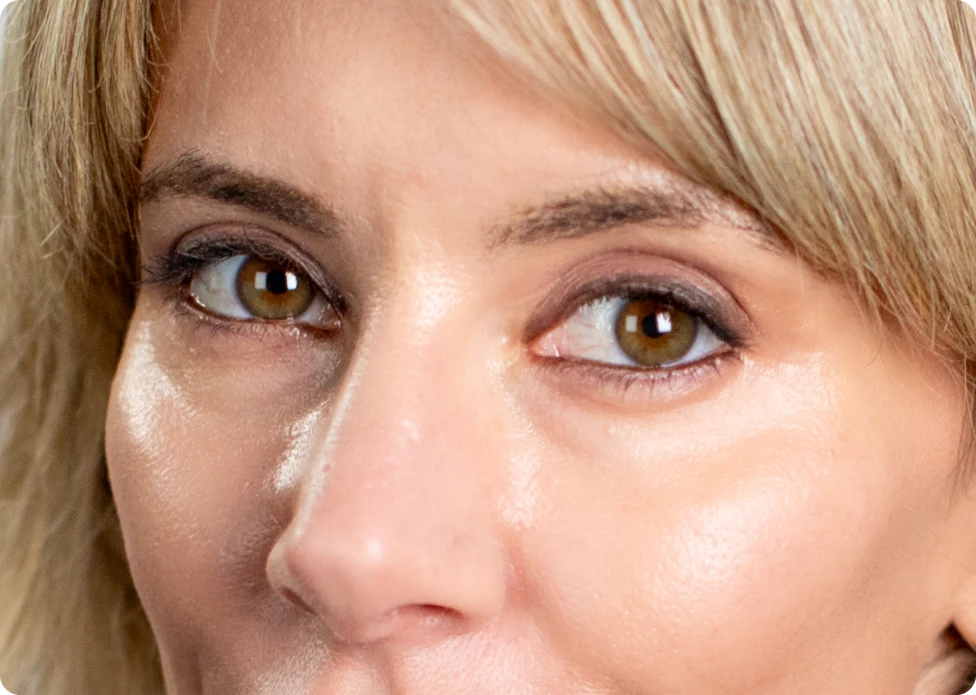
When the Eyes Look More Tired Than You Feel
The eyes carry more of the face's expression than any other feature, and they show age early. Heavy upper lids can make every morning look like a short night's sleep, and under-eye bags can persist no matter how rested you are. In more advanced cases, excess upper eyelid skin can begin to interfere with vision itself.
An eyelid lift addresses these changes directly. At NorCal Plastic Surgery, board-certified plastic surgeon Dr. Timothy Rankin plans eyelid surgery around how the lids, brows, and cheeks age together, rather than treating the eyelid as an isolated strip of skin.
Consultations are available in Tiburon for patients throughout Marin County and the greater San Francisco Bay Area.
What Is an Eyelid Lift?
An eyelid lift, medically known as blepharoplasty, is a surgical procedure performed on the upper eyelids, the lower eyelids, or both. Upper eyelid surgery corrects the sagging, excess skin that makes the lids look heavy or hooded. Lower eyelid surgery primarily corrects under-eye bags and the tired look they create.
Although the two procedures are often discussed together, they solve different problems with different techniques, and many patients need only one of them.
What Can Eyelid Surgery Address?
Depending on the anatomy, an eyelid lift may improve:
- Excess, sagging skin on the upper eyelids
- A heavy or hooded appearance
- Upper eyelid skin that obstructs the field of vision
- Puffy bags under the eyes
- A harsh or hollow transition between the lower lid and cheek
- A persistently tired or aged expression around the eyes
Eyelid surgery has limits worth naming. It does not remove crow's feet, lift descended eyebrows, or erase dark circles caused by skin pigment rather than shadowing. When the brow itself has dropped, a brow lift may be the more honest answer, alone or combined with eyelid surgery.
Upper vs. Lower Eyelid Lift
Upper Eyelid Lift
The upper eyelid works constantly, moving far more than the lower lid and coordinating with the eyebrows to keep vision clear. As skin loses elasticity with age, the brows begin to descend and press down on the upper lids, and the forehead compensates by working to lift the brows. The result is the familiar cycle of heavy lids, a furrowed forehead, and excess eyelid skin that can eventually intrude on vision.
An upper eyelid lift removes the excess skin, and occasionally tightens the underlying muscle, through an incision hidden in the lid's natural crease. The change reads as brighter and more awake, not operated on.
Lower Eyelid Lift
The bags under the eyes are often not extra fat at all; they are frequently the product of volume loss in the cheeks. As cheek volume deflates with age, the normal fat around the eyes becomes exposed and begins to look puffy against the hollowing beneath it.
Older techniques simply removed that fat, which can leave the eyes hollow and skeletal rather than rejuvenated. Dr. Rankin instead blends the junction where the lower lid meets the cheek, repositioning the fat around the eyes and often adding fat grafting to the cheeks, to restore a smooth, youthful transition. Skin removal is minimal, and the incision is hidden just under the lash line.
Who Is a Good Candidate for an Eyelid Lift?
A good candidate for upper eyelid surgery has visible excess skin on the upper lids, is in good health, and has realistic expectations. A good candidate for lower eyelid surgery has noticeable under-eye bags or a pronounced hollow at the lid-cheek junction.
Because drooping brows, deflated cheeks, and excess eyelid skin can all produce a similar tired appearance, the examination matters more than the label. Dr. Rankin evaluates the brow position, eyelid skin, fat compartments, and cheek support together to determine whether an upper lift, a lower lift, both, or a different procedure will actually address the concern. Dry eye history, thyroid conditions, medications, and nicotine use are also reviewed.
How Does Dr. Rankin Perform an Eyelid Lift?
An upper eyelid lift is typically performed under local anesthesia. The incision follows the eyelid's natural crease so the resulting scar hides within the fold. Excess skin is removed, and the eyelid muscle is tightened when necessary. The procedure is brief, and patients go home the same day.
A lower eyelid lift is a more involved operation and is performed under general anesthesia. Working through an incision concealed just below the lash line, Dr. Rankin repositions the fat around the eyes and typically grafts fat into the cheeks to smooth the transition from lid to cheek, removing only a conservative amount of skin.
Some patients pair eyelid surgery with a brow lift, since descended brows contribute directly to upper eyelid heaviness, or with facial fat grafting when broader volume loss is part of the picture.
What Is Eyelid Lift Recovery Like?
Recovery generally takes about one week, with upper eyelid surgery healing faster than lower eyelid surgery. Bruising and swelling around the eyes are expected in the first week, along with temporary tightness, tearing, or light sensitivity.
Sleeping with the head elevated helps swelling settle, and incisions are washed gently and dressed with an antibiotic ointment as directed. Vigorous exercise waits at least two weeks, and contact lenses and eye makeup wait until cleared. Complete aftercare guidance is available in the blepharoplasty recovery guide, though the instructions provided for your actual operation take priority.
When Will I See Results, and How Long Do They Last?
The eyes look noticeably fresher once early bruising fades, usually within one to two weeks, and the final result settles in over the following weeks as residual swelling resolves and the incision lines mature.
Eyelid lift results are long-lasting. Removed upper lid skin does not return in kind, and a repositioned lid-cheek junction ages more gracefully than one that was hollowed out. The face continues to age, but most patients never repeat the procedure.
What Are the Risks of Eyelid Surgery?
Possible risks include bleeding, infection, dry or irritated eyes, temporary blurred vision, difficulty fully closing the eyes, asymmetry, visible scarring, changes in eyelid position such as ectropion, and the need for revision surgery. Serious complications affecting vision are rare but real, which is one reason eyelid surgery belongs in trained surgical hands.
Dr. Rankin reviews the risks specific to your anatomy, eye health, and surgical plan before consent. Sudden vision changes, severe pain, or heavy bleeding after surgery require immediate medical attention.
Why Choose Dr. Timothy Rankin for Blepharoplasty?
The margin for error around the eyes is measured in fractions of a millimeter, and over-resection is the classic mistake: taking too much skin or fat produces a result that looks startled or hollow rather than rested.
Dr. Rankin is certified by the American Board of Plastic Surgery and is a Fellow of the American College of Surgeons. He completed a full general surgery residency at the University of Arizona, where he served as chief resident, followed by plastic surgery training at Vanderbilt University.
His approach favors preservation over removal: repositioning fat instead of discarding it, respecting the brow's role in eyelid heaviness, and recommending a different facial procedure, or no surgery, when that would serve the face better.
Frequently Asked Questions About Eyelid Lifts
Is an eyelid lift the same as blepharoplasty?
Yes. Blepharoplasty is the medical term for eyelid surgery, and eyelid lift is the common name for the same procedure. It may involve the upper eyelids, the lower eyelids, or both, depending on the concern being treated.
What is the difference between an upper and lower eyelid lift?
An upper eyelid lift removes the excess skin that makes the lids look heavy or hooded, through an incision hidden in the natural crease. A lower eyelid lift corrects under-eye bags, typically by repositioning fat and blending the lid-cheek junction through an incision under the lash line. They address different problems and are performed differently.
Am I awake during eyelid surgery?
It depends on the procedure. An upper eyelid lift is typically performed under local anesthesia, so the area is numbed while you remain comfortable and awake. A lower eyelid lift is a more involved operation and is performed under general anesthesia. Both are outpatient procedures.
Do I need an eyelid lift or a brow lift?
It depends on where the heaviness actually comes from. When descended eyebrows are pressing skin onto the upper lids, a brow lift addresses the cause, while an eyelid lift addresses true excess eyelid skin. Some patients benefit from both. An examination of the brow position and eyelid anatomy answers the question reliably.
Will an eyelid lift get rid of dark circles or crow's feet?
Not directly. Lower eyelid surgery can soften darkness caused by the shadow of a bag or hollow, but it does not change pigment in the skin, and crow's feet are wrinkles of expression outside the surgery's reach. Skin treatments or injectables may complement surgery when those concerns matter to you.
Will there be visible scars after an eyelid lift?
Incisions are placed where the eyelid conceals them: within the natural upper lid crease and just beneath the lower lash line. These scars typically fade until they are difficult to find, though healing varies by individual and incision care and sun protection affect the outcome.
How long do eyelid lift results last?
Results are long-lasting, and most patients never repeat the procedure. The removed upper eyelid skin does not return in kind, and a properly blended lid-cheek junction ages gracefully. The face continues to age overall, so brows and cheeks may change around the result over the years.
How much does an eyelid lift cost?
Cost depends on whether the upper lids, lower lids, or both are treated, the anesthesia required, and whether another procedure is combined. Cosmetic blepharoplasty is generally not covered by insurance, though upper lid surgery that corrects documented vision obstruction sometimes is. An examination is required for an individualized quote, and financing resources are available.
Request an Eyelid Lift Consultation
If heavy lids or under-eye bags are making you look more tired than you feel, a consultation can identify whether the eyelids, the brows, or the cheeks are truly responsible, and which procedure will address the cause rather than the symptom. Dr. Rankin will examine your eyes and facial structure before recommending an upper lift, a lower lift, or a different approach.
Request a consultation at the Marin County office in Tiburon by calling (415) 727-9666. You may also schedule a consultation online.




Patient Stories
Hear From Our Patients
Real patients share what it's like to trust Dr. Rankin and our team — from the first consultation through recovery.
Watch Their Stories