

Inverted Nipple Correction in the San Francisco Bay Area
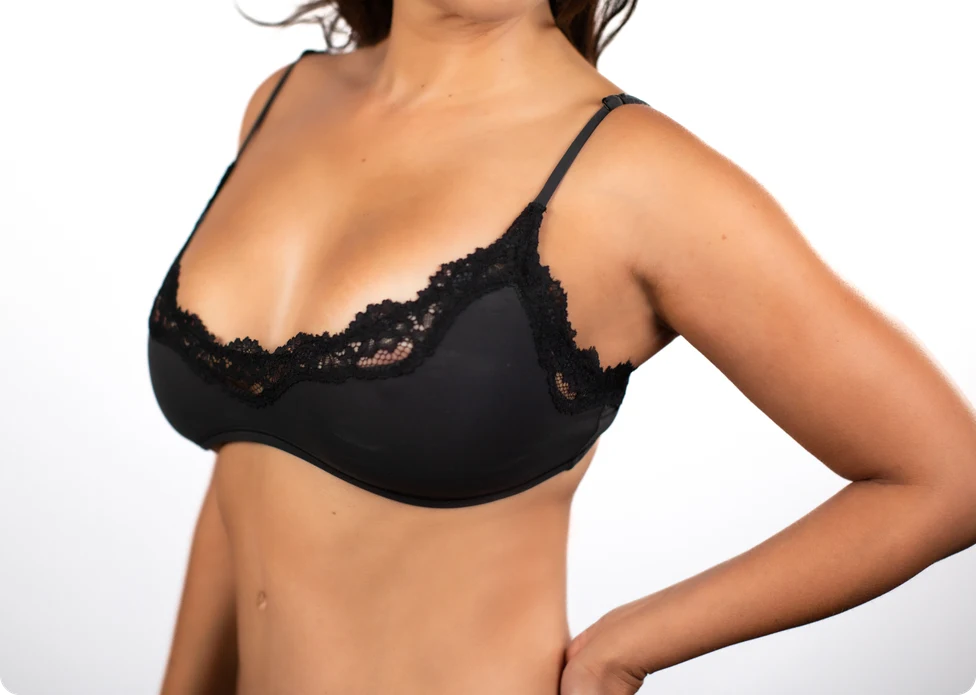
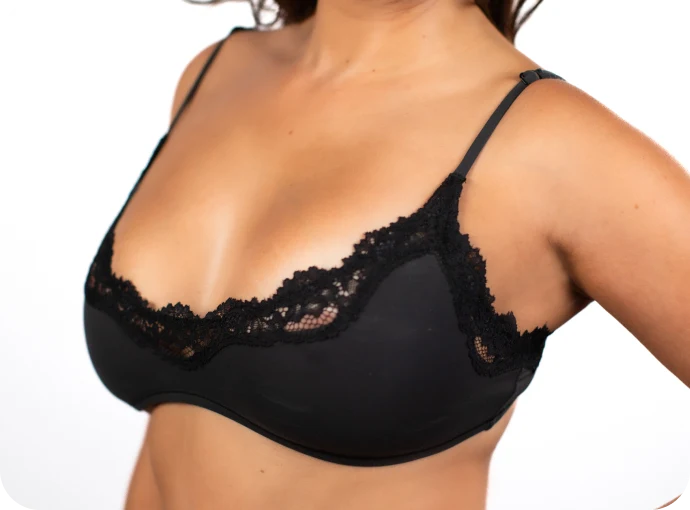
An inverted nipple lies flat or pulls inward rather than projecting above the areola. It may have always been part of the breast or developed after pregnancy, breastfeeding, surgery, inflammation, or another change.
For some patients, inversion is primarily aesthetic. For others, it affects hygiene, comfort, symmetry, or breastfeeding. At NorCal Plastic Surgery, board-certified plastic surgeon Dr. Timothy Rankin evaluates the cause and severity of inversion before recommending correction.
What Causes Inverted Nipples?
Congenital nipple inversion is usually caused by shortened milk ducts or fibrous tissue that holds the nipple inward. It may affect one or both breasts and range from mild retraction to a nipple that cannot be brought outward manually.
Inversion that develops later requires more careful evaluation. Possible causes include pregnancy, breastfeeding, scar tissue, previous breast surgery, infection, inflammation, trauma, or changes within the breast.
A newly inverted nipple, particularly on one side, should be medically assessed before cosmetic correction.
When Should Nipple Inversion Be Evaluated?
A nipple that has always been inverted and remains unchanged is generally less concerning than one that retracts later in life. New or progressive inversion should be evaluated, especially when accompanied by:
- A breast or underarm lump
- Bloody or unusual nipple discharge
- Skin dimpling, scaling, thickening, or redness
- Persistent pain or swelling
- A recent infection or injury
- A change affecting only one breast
These findings do not necessarily indicate cancer, but they require appropriate medical assessment before elective surgery.
How Is Nipple Inversion Graded?
Nipple inversion is commonly classified in three grades:
Grade 1
The nipple can be drawn outward easily and may remain projected for a period. Restriction of the milk ducts is generally limited.
Grade 2
The nipple can be brought outward but retracts again. Greater duct and tissue restriction is usually present.
Grade 3
The nipple is deeply inverted and difficult or impossible to draw outward. Correction may require a more extensive release of the tissue beneath it.
The grade helps guide treatment, but breastfeeding priorities, sensation, symmetry, and the cause of inversion also influence the surgical plan.
Who Is a Candidate for Inverted Nipple Correction?
Correction may be appropriate for adults with persistent inversion who want to improve projection, symmetry, comfort, or hygiene. Candidates should be in suitable health for surgery, avoid nicotine, and understand the potential effects on sensation and breastfeeding.
Dr. Rankin evaluates whether one or both nipples are affected, when the inversion developed, its severity, previous breast procedures, breast-health history, and future breastfeeding plans.
Patients who are pregnant, actively breastfeeding, or undergoing evaluation for a breast symptom should postpone elective correction.
How Is Inverted Nipple Correction Performed?
Inverted nipple correction releases the shortened ducts or fibrous bands holding the nipple inward. A small incision is placed at or near the nipple, and internal support may be created to help maintain projection during healing.
The procedure is generally performed on an outpatient basis. The technique depends largely on the severity of inversion and whether preserving the milk ducts is a priority.
Duct-Preserving Correction
A duct-preserving approach releases restrictive tissue while attempting to maintain the structures involved in breastfeeding. It may be suitable for selected patients with less severe inversion.
Preserving the ducts does not guarantee future breastfeeding or eliminate the possibility of recurrence.
Correction With Duct Release
More significant inversion may require dividing the structures tethering the nipple inward. This can provide a more complete release but may prevent breastfeeding from the treated breast.
Dr. Rankin discusses this tradeoff before surgery so the treatment reflects the patient’s priorities.
Can Breast Augmentation Correct Inverted Nipples?
Breast augmentation changes breast volume but does not reliably release the ducts or fibrous tissue causing inversion. An implant may alter nipple appearance in some patients, but it is not a dependable substitute for direct correction.
If nipple correction is planned with augmentation, a breast lift, or another procedure, each concern should be evaluated independently before creating a combined plan.
What Is Recovery Like?
Tenderness, swelling, bruising, and temporary changes in sensation may occur. A protective dressing or support may be used to prevent pressure on the nipple during early healing.
Many patients return to nonstrenuous work within several days, although recovery varies. Exercise, pressure on the breasts, and activities that could disrupt the repair should be avoided until Dr. Rankin confirms they are appropriate.
Medication and wound-care instructions are individualized. Patients should take only medications approved by their surgical team.
When Will Results Be Visible?
The nipple appears more projected immediately, but swelling and surgical support can temporarily affect its shape. The result becomes more reliable as the tissues heal over the following weeks.
Some loss of projection may occur. Recurrence is possible, particularly with more severe inversion or when the milk ducts are preserved. Final results should be evaluated only after the nipple position has stabilized.
Will Correction Affect Sensation or Breastfeeding?
Nipple sensation may temporarily increase or decrease after surgery. Although sensation often improves during healing, permanent changes are possible.
The effect on breastfeeding depends on anatomy and technique. Duct-preserving correction may retain more breastfeeding potential but cannot guarantee successful nursing. Dividing the ducts can prevent breastfeeding from the treated breast.
Patients who may want to breastfeed should discuss this priority before choosing a procedure.
Risks and Limitations
Potential risks include bleeding, infection, delayed healing, asymmetry, visible scarring, altered sensation, loss of nipple tissue, unsatisfactory projection, recurrent inversion, and difficulty or inability to breastfeed.
Correction cannot guarantee identical nipples, permanent projection, preserved sensation, or future breastfeeding. The likelihood of recurrence and functional change depends partly on the severity of inversion and the amount of tissue that must be released.
Correction With Foresight
Inverted nipple correction is a focused procedure, but its effects may extend beyond appearance. The technique must balance projection with circulation, sensation, breastfeeding priorities, and recurrence risk.
Dr. Rankin may recommend duct-preserving correction, more complete release, further breast evaluation, or no surgery. Patients considering another breast procedure may also explore NorCal Plastic Surgery’s breast surgery options and before-and-after gallery.
Frequently Asked Questions About Inverted Nipple Correction
Are inverted nipples normal?
They can be. Nipples that have been inverted since development and remain unchanged may represent a normal anatomical variation. New, progressive, or one-sided inversion should be evaluated, especially when accompanied by a lump, discharge, pain, or skin changes.
Can inverted nipples be corrected without surgery?
Mild inversion may temporarily respond to stimulation or suction devices, but these methods may not produce lasting projection. Persistent inversion caused by shortened ducts or fibrous tissue often requires surgical release for a more durable correction.
Can both nipples be corrected at the same time?
Yes. Both nipples may be treated when inversion is bilateral, or correction may be limited to one side. Natural differences in nipple size, position, projection, and healing may remain after surgery.
Will correction change nipple sensation?
It may. Temporary numbness or sensitivity can occur, and permanent changes are possible. Risk depends on anatomy, severity, technique, and individual healing. Preserving sensation is an important goal, but it cannot be guaranteed.
Can I breastfeed after inverted nipple correction?
Possibly. A duct-preserving technique may retain greater breastfeeding potential, but successful nursing cannot be guaranteed. If the ducts must be divided to release significant inversion, breastfeeding from the treated breast may no longer be possible.
Can an inverted nipple return after surgery?
Yes. Scar contraction or persistent tissue forces may draw the nipple inward again. Recurrence may be more likely with severe inversion or duct-preserving treatment. Additional correction may be considered if inversion returns.
How much does inverted nipple correction cost?
Cost depends on whether one or both nipples are treated, the technique, anesthesia, facility needs, and whether another breast procedure is included. NorCal Plastic Surgery provides an individualized estimate after consultation. Qualified patients may also review plastic surgery financing options.




Patient Stories
Hear From Our Patients
Real patients share what it's like to trust Dr. Rankin and our team — from the first consultation through recovery.
Watch Their Stories