Breast Augmentation in the San Francisco Bay Area
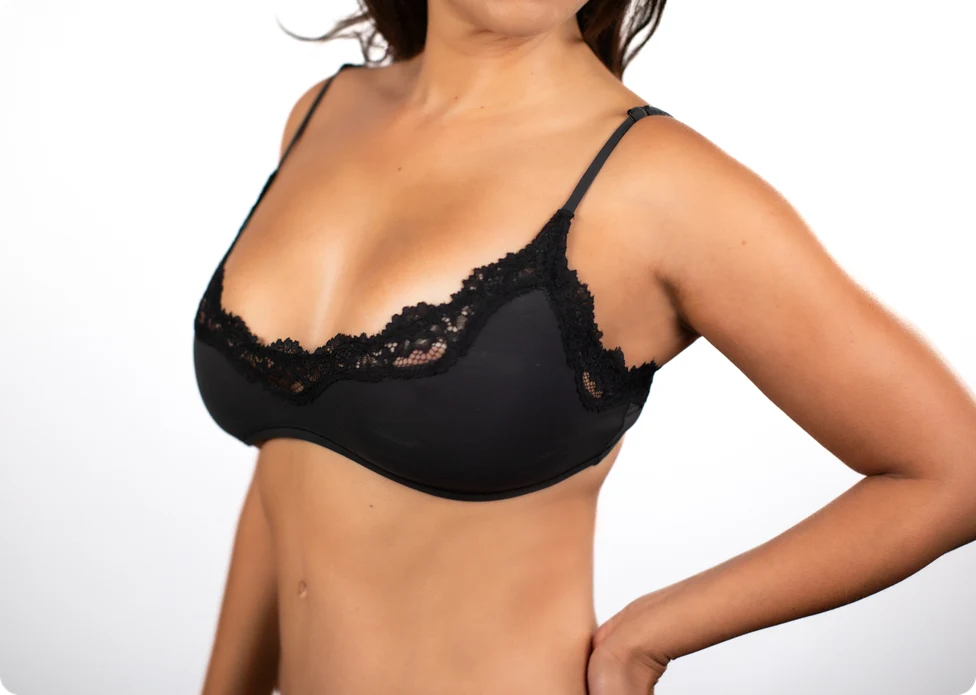
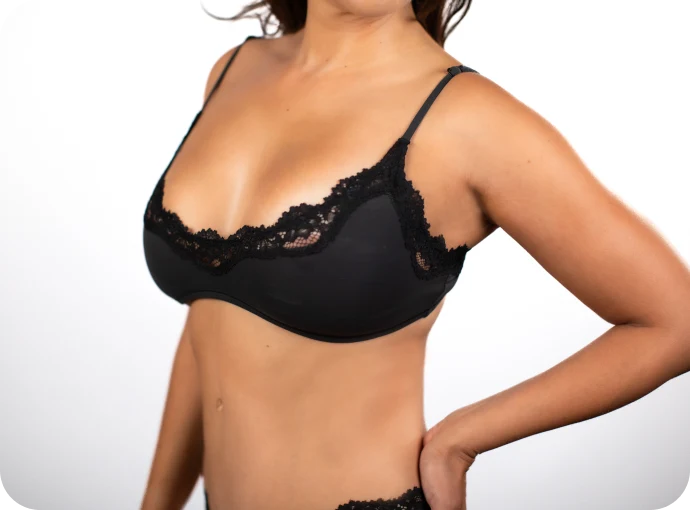
Breast augmentation may restore volume lost after pregnancy, breastfeeding, weight change, or aging. It may also improve naturally limited development, asymmetry, or proportions that have never felt quite right.
At NorCal Plastic Surgery, board-certified plastic surgeon Dr. Timothy Rankin plans each procedure around the patient’s anatomy and priorities. Breast dimensions, tissue quality, chest width, lifestyle, and long-term goals guide the choice of implant, placement, and surgical approach.
The objective is not an arbitrary cup size. It is a breast shape that belongs naturally within the body.
What Is Breast Augmentation?
Breast augmentation increases or restores breast volume using implants or a patient’s own fat. The procedure may improve projection, upper-breast fullness, symmetry, and overall body proportion.
Augmentation does not substantially lift breasts that have descended. When stretched skin or a low nipple position is part of the concern, a breast lift may be needed with or without an implant.
What Can Breast Augmentation Accomplish?
Breast augmentation may:
- Increase breast volume and projection
- Restore fullness after pregnancy or weight loss
- Improve differences in breast size or shape
- Reestablish upper-breast contour
- Create greater balance among the breasts, waist, and hips
- Restore volume following previous breast surgery
The procedure cannot guarantee perfect symmetry, a precise cup size, or another patient’s result. Natural breast shape, chest anatomy, skin elasticity, and existing tissue determine what can be achieved responsibly.
Breast Implants or fat transfer?
Breast Implants
Implants provide the most predictable way to create a meaningful increase in breast volume. NorCal Plastic Surgery currently offers smooth, round cohesive silicone gel implants, commonly called gummy bear implants.
Implant selection considers width, projection, volume, breast shape, tissue coverage, and skin quality. A larger implant does not automatically create better cleavage or a more attractive contour. It must fit the breast and chest while remaining appropriate for the tissues that will support it.
Fat Transfer
Fat transfer breast augmentation uses liposuction to collect fat from another area before transferring it to the breasts. It may suit patients seeking a modest increase, subtle refinement, or correction of selected asymmetries without an implant.
Some transferred fat is naturally absorbed, making the final volume less predictable. Patients also need sufficient donor fat, and the procedure generally cannot create the same degree of enlargement as an implant.
How Are Breast Implants Selected?
Cup size is an unreliable way to plan breast augmentation because sizing varies across bras and brands. Implant selection begins with anatomical measurements and a clear understanding of the desired silhouette.
Dr. Rankin considers:
- Breast and chest width
- Existing breast volume
- Skin elasticity and tissue thickness
- Nipple position
- Natural asymmetry
- Desired projection and upper-breast fullness
- Athletic activity and lifestyle
- Future pregnancy or weight-change plans
Two implants with the same volume can create different results because their widths and projections differ. The appropriate implant is the one whose dimensions support the intended shape without exceeding the limits of the tissues.
Where Are Breast Implants Placed?
An implant may be positioned above or beneath the chest muscle, or in a plane that combines elements of both. Dr. Rankin reports placing implants beneath the muscle in most patients, with exceptions based on tissue coverage, anatomy, activity level, and the desired contour.
No placement is best for every patient. The selected plane can influence implant visibility, movement during muscle contraction, recovery, and long-term breast shape. Dr. Rankin explains the reason for his recommendation during consultation.
Where Are the Incisions?
Breast augmentation incisions may be placed in the fold beneath the breast, along the edge of the areola, or in the underarm area. The appropriate location depends on implant type, anatomy, surgical access, and the overall treatment plan.
Every incision creates a scar. Scar visibility and maturation vary with placement, skin characteristics, healing, and postoperative care.
Breast Augmentation or Breast Lift?
Breast augmentation restores volume; a breast lift reshapes and elevates tissue. An implant may fill mild deflation, but it cannot reliably correct significant sagging or a nipple that rests below the breast fold.
When volume loss and tissue descent occur together, combining augmentation with a lift may produce a more balanced result than either procedure alone. Both may also be included in a mommy makeover when surgery addresses changes in the breasts and body.
Who Is a Candidate for Breast Augmentation?
Breast augmentation may be appropriate for adults who want to increase or restore breast volume and are in suitable health for surgery. Candidates should avoid nicotine, have realistic expectations, and understand that breast implants require lifelong awareness and monitoring.
The consultation includes discussion of breast anatomy, desired shape, pregnancy and breastfeeding history, future plans, previous surgery, breast-health history, lifestyle, implant risks, and potential alternatives.
Patients who are pregnant, breastfeeding, undergoing evaluation for a breast abnormality, or not medically prepared for elective surgery should postpone treatment.
How Is Breast Augmentation Performed?
Breast augmentation is performed as outpatient surgery. Dr. Rankin creates the planned incision, develops a pocket in the selected tissue plane, and places the implant while assessing its position and relationship to the opposite breast. The incisions are then closed and supported during early healing.
The current NorCal Plastic Surgery page states that long-acting local anesthetic is used during breast surgery to support postoperative comfort. The complete anesthesia and pain-management plan is individualized and reviewed before the procedure.
fat transfer requires liposuction, preparation of the harvested fat, and placement into selected areas of the breasts through small cannulas.
What Is Recovery Like?
Soreness, swelling, tightness, bruising, and temporary changes in breast or nipple sensation may occur. Implants can initially sit higher or feel firmer before the tissues relax and the breasts settle.
Some patients return to nonstrenuous work within several days, but recovery varies with implant placement, job demands, combined procedures, and individual healing. Walking is encouraged early, while lifting and strenuous upper-body activity remain restricted.
Exercise is reintroduced gradually. Chest-focused training may require a longer pause, particularly when implants are placed beneath the muscle. Patients preparing for an important event should allow time for swelling to improve, the breast shape to settle, and clothing fit to become more predictable.
When Will Results Be Visible?
Increased volume is visible immediately, but the final shape develops gradually. Early swelling, tightness, and implant position can make the breasts appear higher or less natural than expected.
The tissues soften and the implants settle over the following weeks and months. Scars also continue to mature beyond the initial recovery period. Pregnancy, weight change, aging, and tissue quality may alter the breasts over time.
Breast Implant Safety and Monitoring
Breast implants are not lifetime devices. They do not require automatic replacement at a fixed interval, but future surgery may become necessary because of rupture, capsular contracture, implant movement, tissue changes, or personal preference.
Patients should continue routine breast cancer screening and inform the imaging center that they have implants. Additional mammographic views may be needed.
For silicone implants, the FDA recommends ultrasound or MRI screening for silent rupture beginning five to six years after surgery and every two to three years thereafter. Imaging may be recommended sooner if symptoms or examination findings raise concern.
Risks and Limitations
Potential risks include bleeding, infection, scarring, asymmetry, changes in sensation, implant malposition, rupture, rippling, visibility, seroma, pain, delayed healing, and revision surgery.
Capsular contracture occurs when scar tissue around an implant tightens, potentially causing firmness, discomfort, or distortion. Breast implants are also associated with uncommon implant-related malignancies, including breast implant-associated anaplastic large cell lymphoma, which has occurred more frequently with textured implants, and rare cancers of the implant capsule.
Some patients report systemic symptoms they associate with breast implants, sometimes called breast implant illness. These symptoms remain an area of ongoing study. Dr. Rankin will review implant-specific information, the FDA patient decision checklist, alternatives, and long-term responsibilities before surgery.
An Anatomical Approach to Breast Augmentation
Successful breast augmentation is shaped as much by restraint as by volume. The implant must complement the shoulders, torso, waist, and hips while respecting the breast tissue and skin that support it.
Dr. Rankin may recommend an implant, fat transfer, breast lift, combination procedure, or no surgery. The plan is developed around the desired result and what the anatomy can support over time.
Patients considering surgery may explore NorCal Plastic Surgery’s breast procedures and before-and-after gallery.
Frequently Asked Questions About Breast Augmentation
How do I choose the right breast implant size?
The right implant is selected through breast and chest measurements, tissue assessment, and discussion of the desired shape. Volume alone does not determine the result. Width and projection are equally important. Dr. Rankin recommends dimensions that fit the anatomy rather than relying on cup size or another patient’s implant volume.
Are silicone breast implants safe?
FDA-approved silicone implants are available for appropriately selected patients, but they carry risks and require long-term monitoring. Silicone rupture may occur without obvious symptoms, which is why periodic ultrasound or MRI screening is recommended. Patients should review the manufacturer’s information and FDA decision checklist before surgery.
Do breast implants need to be replaced every 10 years?
No. Breast implants do not require automatic replacement at 10 years. They are not lifetime devices, however, and the chance of needing revision increases over time. Surgery may become necessary because of rupture, capsular contracture, movement, tissue changes, symptoms, or a change in aesthetic preference.
Can breast augmentation correct sagging?
An implant may improve mild deflation but cannot reliably correct significant sagging. When the nipple is low or the skin has stretched substantially, a breast lift may be needed. Using an oversized implant to avoid a necessary lift can place additional strain on the tissues.
Can I breastfeed after breast augmentation?
Many patients can breastfeed after breast augmentation, but no surgeon can guarantee future milk production. The incision, surgical approach, existing anatomy, and future pregnancy may influence breastfeeding. Patients who hope to breastfeed should discuss this priority during consultation.
Will breast implants interfere with mammograms?
Implants can obscure some breast tissue on standard mammographic views, but routine screening should continue. Tell the imaging center about the implants so appropriately trained technologists can obtain implant-displacement views when indicated. Additional imaging may be recommended based on risk factors, symptoms, or implant surveillance needs.
How much does breast augmentation cost?
Cost varies with the implant or fat-transfer approach, anesthesia, facility requirements, surgical complexity, and whether a lift or another procedure is included. NorCal Plastic Surgery provides an individualized estimate after consultation. Qualified patients may also review plastic surgery financing options.
Patient Stories