Breast Reduction in the San Francisco Bay Area
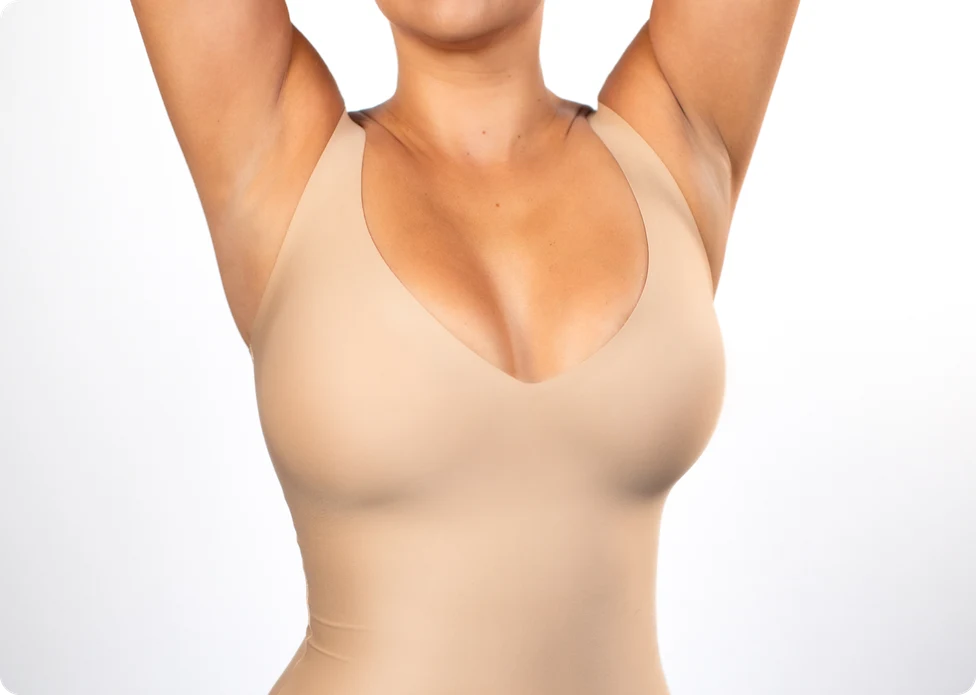
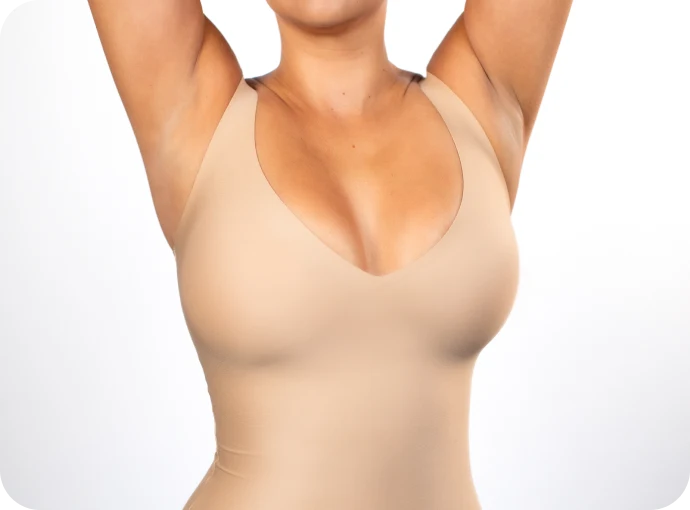
Heavy breasts can affect far more than appearance. Neck and back discomfort, shoulder grooves, skin irritation, restricted movement, and difficulty finding supportive clothing may become part of everyday life.
Breast reduction removes excess tissue and reshapes the breasts to create a lighter, more proportionate contour. At NorCal Plastic Surgery, board-certified plastic surgeon Dr. Timothy Rankin plans surgery around physical symptoms, anatomy, desired size, and long-term breast shape.
What Is Breast Reduction?
Breast reduction, or reduction mammaplasty, removes excess breast tissue, fat, and skin. The remaining tissue is reshaped, and the nipple and areola are repositioned when needed.
The procedure reduces volume while also addressing the stretched skin and tissue descent that often accompany breast weight. Its purpose is not simply to make the breasts smaller, but to create a lighter shape that suits the patient’s frame.
What Can Breast Reduction Improve?
Breast reduction may help address:
- Neck, shoulder, or upper-back discomfort
- Grooves caused by bra straps
- Recurrent irritation beneath the breasts
- Difficulty exercising or moving comfortably
- Challenges finding supportive bras and clothing
- Breasts that feel disproportionate to the body
- Significant sagging associated with breast weight
- Uneven breast size or position
Symptom relief varies. Breast reduction cannot guarantee that all pain will resolve because neck, back, and shoulder discomfort may have causes unrelated to breast weight.
Breast Reduction or Breast Lift?
A breast reduction makes the breasts smaller and lighter by removing tissue and skin. A breast lift reshapes and elevates the breasts without necessarily removing substantial volume.
Reduction includes a lifting component because heavy breasts often have stretched skin and a low nipple position. Patients who are comfortable with their volume in a supportive bra may need a lift alone. Those who want less weight as well as a higher shape may be better candidates for reduction.
Who Is a Candidate for Breast Reduction?
Breast reduction may be appropriate for patients whose breast size causes physical symptoms, limits activity, feels disproportionate, or creates persistent emotional discomfort. Candidates should be in suitable health for surgery, avoid nicotine, maintain a relatively stable weight, and accept the necessary scars.
Dr. Rankin evaluates breast volume, tissue quality, nipple position, symmetry, symptoms, medical history, previous surgery, desired size, and future pregnancy plans.
Patients considering pregnancy or significant weight loss may wish to postpone surgery because either can alter breast volume and shape. For others, the value of earlier symptom relief may outweigh the possibility of future change.
Which Incision Pattern Will I Need?
The incision pattern depends on breast size, tissue quality, nipple position, skin excess, and the amount of reduction required.
Vertical or Lollipop Reduction
This pattern follows the areola and extends vertically to the breast fold. It may suit selected patients who need a moderate reduction and reshaping.
Anchor or Wise-Pattern Reduction
This pattern extends around the areola, vertically to the breast fold, and along the crease beneath the breast. It provides greater access for reshaping larger or more significantly descended breasts.
The shortest scar is not always the best option. The incision must allow Dr. Rankin to remove the appropriate tissue, preserve circulation, and create a balanced breast shape.
How Is Breast Reduction Performed?
Breast reduction is performed under general anesthesia as outpatient surgery. Dr. Rankin removes the planned amount of tissue, fat, and skin, then reshapes the remaining breast and repositions the nipple and areola.
The nipple usually remains attached to underlying tissue to preserve blood supply and nerve connections. Very large reductions may require a different approach, which would be discussed before surgery.
The current NorCal Plastic Surgery page states that long-acting local anesthetic is used during breast surgery to support postoperative comfort. The complete anesthesia and pain-management plan is individualized.
How Much Smaller Will My Breasts Be?
The amount removed depends on existing breast volume, symptoms, body proportions, tissue quality, circulation, and the desired result. A precise postoperative cup size cannot be guaranteed because bra sizing varies considerably.
Dr. Rankin discusses the size range that may be achievable while maintaining an appropriate shape and protecting tissue viability. The aim is a meaningful reduction that remains proportionate to the body, not simply the greatest possible amount of removal.
What Is Recovery Like?
Swelling, bruising, tightness, tenderness, and temporary changes in sensation are expected. The breasts may initially appear high, firm, or slightly uneven before settling.
Many patients plan approximately one week away from nonstrenuous work, although individual needs vary. Walking is encouraged early, while lifting, reaching, upper-body exercise, and strenuous activity remain restricted.
A surgical support bra may be recommended. Underwire bras should be avoided until the incisions have healed sufficiently and Dr. Rankin advises that they are appropriate.
Breast shape continues to soften over several months. Scars take longer to mature and may continue changing for a year or more.
What Will the Scars Look Like?
Breast reduction creates permanent scars around the areola, vertically down the breast, and sometimes along the breast fold. Their location reflects the incision pattern needed to perform the reduction safely.
Scars may initially appear pink, dark, raised, or firm. They generally soften and fade over time but do not disappear. Genetics, skin tone, incision tension, nicotine exposure, sun protection, and postoperative care influence how they mature.
For many patients, visible scars are an acceptable tradeoff for reduced weight, improved shape, and greater physical freedom.
Breastfeeding and Sensation
Breastfeeding may remain possible after breast reduction, but it cannot be guaranteed. Removing and reshaping breast tissue can affect milk glands, ducts, nerves, and nipple sensation.
Temporary changes in breast or nipple sensation are common. Sensation may improve as swelling resolves and nerves recover, but some changes can be prolonged or permanent.
Patients who hope to breastfeed should discuss this priority with Dr. Rankin before deciding when to proceed.
Will Insurance Cover Breast Reduction?
Coverage depends entirely on the insurance plan. Some insurers may consider breast reduction medically necessary when documented symptoms persist despite conservative care and the planned tissue removal meets policy requirements. Other plans exclude the procedure.
Patients should contact their insurance carrier directly to confirm benefits, exclusions, documentation requirements, and authorization procedures. Approval does not necessarily guarantee full payment.
Risks and Limitations
Potential risks include bleeding, infection, scarring, asymmetry, delayed healing, fluid collection, contour irregularity, changes in sensation, difficulty breastfeeding, fat necrosis, recurrent sagging, and revision surgery.
Less common but serious complications include partial or complete loss of nipple or areola tissue. Risk may be influenced by anatomy, the extent of reduction, circulation, nicotine exposure, and medical history.
Breast reduction cannot guarantee a precise cup size, perfect symmetry, complete pain relief, inconspicuous scars, or a result unaffected by pregnancy and aging.
Lighter, Not Simply Smaller
A successful breast reduction balances symptom relief with shape, proportion, circulation, and long-term support. The result should feel physically lighter while remaining visually appropriate for the torso.
Dr. Rankin may recommend reduction alone, another breast procedure, or postponing surgery until weight or pregnancy plans are more stable. Patients exploring their options may also review NorCal Plastic Surgery’s breast procedures and before-and-after gallery.
Frequently Asked Questions About Breast Reduction
How do I know if my breasts are large enough for reduction?
There is no universal minimum size. Candidacy depends on symptoms, body proportions, tissue quality, health, and personal priorities. Insurance companies may use separate requirements when determining whether a procedure qualifies for coverage.
Can breast reduction relieve back and shoulder pain?
It may reduce discomfort associated with breast weight, including neck, shoulder, and upper-back symptoms. Relief varies, and pain can have more than one cause. Surgery should not be presented as a guaranteed treatment for every source of musculoskeletal pain.
How many cup sizes can breast reduction remove?
Cup-size changes cannot be predicted precisely because bra sizing is inconsistent. Dr. Rankin estimates an appropriate postoperative range based on anatomy, desired proportion, symptoms, and how much tissue can be removed while preserving circulation and shape.
Does breast reduction include a lift?
Yes. Breast reduction typically reshapes and elevates the remaining tissue because large breasts commonly have stretched skin and a low nipple position. A breast lift alone changes shape and position without removing the same amount of volume.
Can breasts grow back after reduction?
The removed tissue does not simply regenerate, but the remaining breasts can enlarge with pregnancy, hormonal changes, significant weight gain, certain medications, or medical conditions. Aging and gravity may also alter the shape.
Can I breastfeed after breast reduction?
Breastfeeding may be possible, but it cannot be guaranteed. Surgical technique, the amount of tissue removed, preexisting anatomy, and individual milk production all influence the outcome. Patients who hope to breastfeed should discuss this before surgery.
How much does breast reduction cost?
Cost depends on surgical complexity, anesthesia, facility requirements, and whether another procedure is included. Insurance coverage varies by plan and medical-necessity criteria. NorCal Plastic Surgery provides an individualized self-pay estimate after consultation and offers information about plastic surgery financing.
Patient Stories