

Buccal Fat Removal in the San Francisco Bay Area
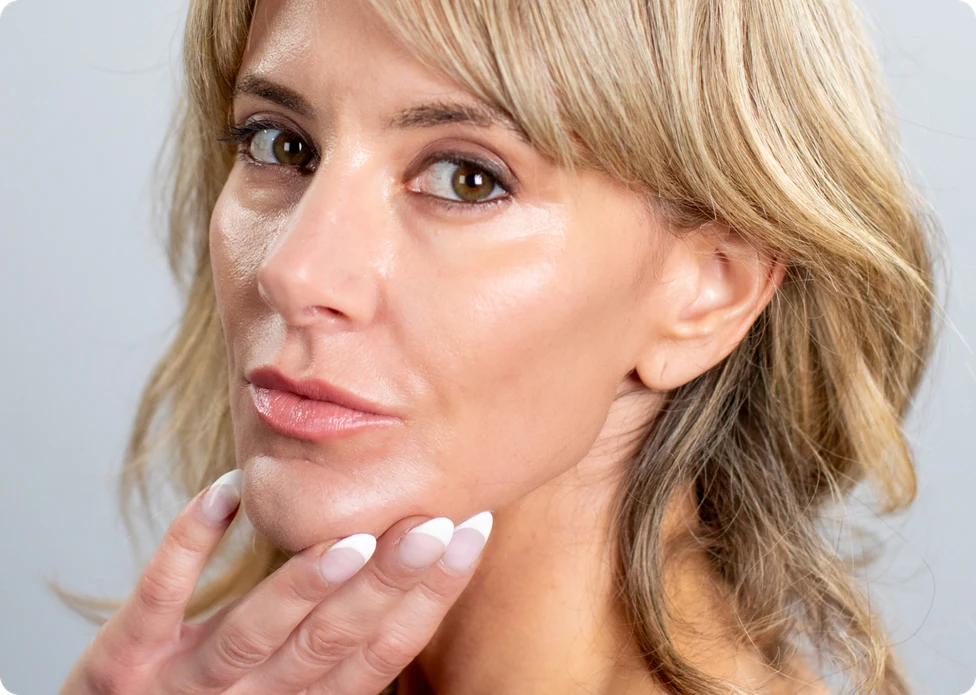

Fullness through the lower cheeks can soften facial definition even at a healthy, stable weight. When prominent buccal fat pads obscure the natural transition between the cheekbones and jawline, carefully planned removal may create a more refined contour.
The decision deserves restraint. Facial volume naturally decreases with age, and removing too much can leave the cheeks hollow or unbalanced over time. At NorCal Plastic Surgery, board-certified plastic surgeon Dr. Timothy Rankin considers current anatomy and future aging before recommending surgery.
What Is Buccal Fat Removal?
Buccal fat removal, also called buccal lipectomy or cheek reduction surgery, reduces the deep fat pad within each lower cheek. The procedure is performed through incisions inside the mouth, leaving no external facial scar.
Buccal fat pads vary naturally in size and may remain prominent despite diet, exercise, or weight loss. Removing a controlled portion can reveal more definition beneath the cheekbones and create a smoother transition into the lower face. The procedure does not alter the cheekbones, tighten loose skin, or reduce overall facial weight.
What Can Buccal Fat Removal Change?
Buccal fat removal may reduce persistent fullness in the central and lower cheeks. In an appropriately selected patient, it can create:
- Greater definition beneath the cheekbones
- A more tapered transition into the jawline
- Less heaviness through the lower cheeks
- Better balance among the cheeks, chin, and jaw
The change is often subtle. The purpose is not to create dramatic hollows or impose a fashionable facial shape. It is to reveal definition already present within the patient's anatomy.
Who Is a Candidate for Buccal Fat Removal?
Candidates typically have prominent buccal fat pads that create lower-cheek fullness at a stable weight. They should be in suitable health for surgery, avoid nicotine, and understand that the procedure creates a lasting reduction in facial volume.
Dr. Rankin evaluates cheekbone structure, midface volume, facial width, skin quality, symmetry, weight history, previous filler, prior surgery, and anticipated aging. Patients with narrow faces, limited facial fat, existing hollowing, significant laxity, or fullness caused by another structure may not benefit.
Younger patients require particular care because naturally rounded cheeks often become leaner as the face matures. In some cases, preserving the buccal fat is the more responsible long-term choice.
Is Cheek Fullness Always Caused by Buccal Fat?
No. A rounded or poorly defined lower face may reflect bone structure, limited chin projection, enlarged jaw muscles, superficial fat, skin laxity, or overall weight rather than prominent buccal fat pads.
Accurate diagnosis matters because these concerns require different treatments. Depending on the anatomy involved, Dr. Rankin may discuss chin augmentation, facelift surgery, or selected dermal fillers. Buccal fat removal should be performed only when the fat pad itself is contributing meaningfully to the concern.
How Is Buccal Fat Removal Performed?
Dr. Rankin creates a small incision inside each cheek and carefully accesses the buccal fat pad. A measured portion is removed according to the patient's anatomy, and the incisions are closed with sutures.
Local or general anesthesia may be used depending on the treatment plan and whether another procedure is performed at the same time. The precise amount removed is determined during surgery. Complete removal is generally undesirable because the remaining fat contributes to natural facial support.
Important facial nerves and salivary ducts lie near the buccal fat pads, making detailed anatomical knowledge and controlled technique essential.
What Is Recovery Like?
Swelling is expected and may initially make the cheeks appear fuller. Bruising, tenderness, tightness, and temporary asymmetry may also occur.
Patients receive instructions for oral hygiene, diet, medication, activity, and incision care. A liquid or soft diet may be recommended during early healing to avoid irritating the incisions. Many patients return to routine activities within several days, although visible swelling may persist longer. Strenuous exercise should wait until Dr. Rankin confirms that healing is sufficiently advanced.
Cheek definition emerges gradually as swelling subsides. The contour may continue to refine for several months.
Are Buccal Fat Removal Results Permanent?
The removed fat does not grow back, so the reduction is considered long lasting. Aging and weight changes will continue to affect the surrounding facial tissues.
This permanence is one reason conservative planning matters. Excessive removal cannot be simply reversed. Fat grafting or filler may sometimes improve later hollowing, but neither recreates the original buccal fat pad or fully restores its function.
Risks and Limitations
Potential risks include bleeding, infection, prolonged swelling, asymmetry, contour irregularity, excessive hollowing, numbness, poor healing, salivary duct injury, facial nerve injury, fluid collection, and the need for additional treatment.
Buccal fat removal also has clear limitations. It cannot tighten loose skin, strengthen a recessed chin, narrow the jaw muscles, or guarantee prominent cheekbones. Natural asymmetry may remain, and the final change may be modest.
Dr. Rankin will review the expected benefit, alternatives, long-term implications, and individual risks before surgery.
A Conservative Approach to Facial Contouring
Successful buccal fat removal is defined by what remains. Enough volume must be preserved to support the cheeks as the face matures.
Dr. Rankin evaluates the cheekbones, midface, chin, jawline, skin, and buccal fat pads as one composition. His recommendation may involve conservative reduction, a different facial procedure, or no surgery. The objective is enduring proportion rather than maximum fat removal.
Patients considering facial contouring may also explore NorCal Plastic Surgery's facial surgery options and before-and-after gallery.
Frequently Asked Questions About Buccal Fat Removal
Will buccal fat removal make my cheekbones more defined?
It may reveal greater definition beneath the cheekbones by reducing lower-cheek fullness. It does not change the bones themselves. The result depends on skeletal structure, skin quality, surrounding facial volume, and the size of the buccal fat pads. Some patients need a different treatment to achieve better facial balance.
Can diet and exercise reduce buccal fat?
Not predictably. Buccal fat is a distinct anatomical structure and may remain prominent after general weight loss. Patients should be at a stable, sustainable weight before surgery so Dr. Rankin can determine whether fullness comes from the buccal fat pads or another source.
Can buccal fat removal make the face look older?
Yes. Removing too much fat or operating on a naturally lean face can create hollowing that becomes more visible with age. Conservative treatment and careful patient selection reduce this risk, but no procedure can prevent future volume loss or other age-related changes.
Does buccal fat removal leave scars?
The incisions are placed inside the mouth, so the procedure does not ordinarily create visible facial scars. Internal incisions still require careful healing. Following instructions for oral hygiene, diet, nicotine avoidance, and activity helps protect the surgical sites and reduce complications.
Can buccal fat removal be reversed?
No. Removed buccal fat cannot be returned to its original anatomical position. Fat grafting or filler may sometimes soften unwanted hollowing, but these treatments do not truly reverse the procedure. Patients should consider buccal fat removal a lasting decision.
Can buccal fat removal be combined with another procedure?
Yes, when another procedure addresses a separate anatomical concern. Chin augmentation may improve lower-face proportion, while a facelift addresses tissue laxity. Combining treatments should be based on a complete facial assessment rather than a desire for a more dramatic change.
How much does buccal fat removal cost?
Cost depends on the anesthesia plan, facility requirements, surgical complexity, and whether another procedure is performed. NorCal Plastic Surgery provides a personalized estimate after consultation. Qualified patients may also review available plastic surgery financing options.
Request a Buccal Fat Removal Consultation
Buccal fat removal should refine facial structure without sacrificing the volume that supports it. During a consultation, Dr. Rankin will determine whether the buccal fat pads are responsible for the fullness you see and whether reducing them is likely to age well.
Request a consultation with NorCal Plastic Surgery at our Tiburon office in Marin County.




Patient Stories
Hear From Our Patients
Real patients share what it's like to trust Dr. Rankin and our team — from the first consultation through recovery.
Watch Their Stories