Facial Plastic Surgery in the San Francisco Bay Area
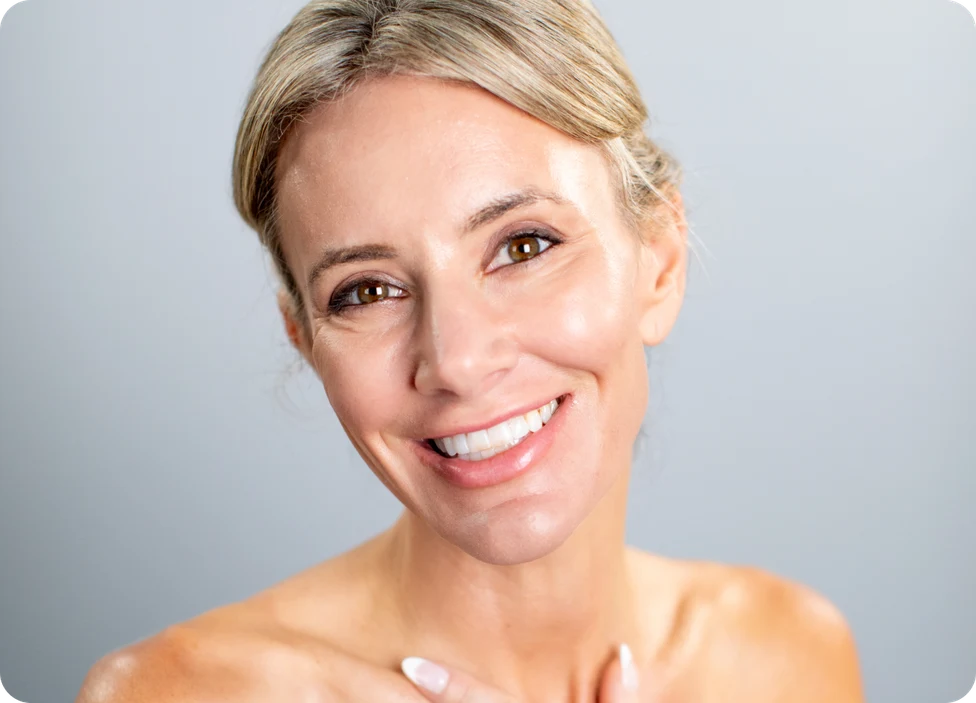

A Face Should Still Look Like Itself
Facial aging is rarely one change. Skin loses elasticity, deeper tissues descend, volume shifts, and the framework beneath everything stays where it is. Two people with the same complaint often need entirely different procedures.
At NorCal Plastic Surgery, board-certified plastic surgeon Dr. Timothy Rankin plans facial surgery around what is actually creating the concern — position, volume, skin quality, or structure — rather than around a procedure name. The objective is not a younger face that belongs to someone else. It is a rested, coherent version of the face the patient already has.
Consultations are available in Tiburon for patients throughout the San Francisco Bay Area.
What Does Facial Plastic Surgery Address?
Facial procedures fall into a few distinct categories. Lifting procedures reposition tissue that has descended. Excisional procedures remove excess skin. Volume procedures restore or redistribute fullness. Structural procedures change the underlying framework of the nose or chin.
A treatment that addresses the wrong layer produces a disappointing result no matter how well it is performed. Identifying the layer responsible is the first task of the consultation.
Facial Procedures at NorCal Plastic Surgery
Facelift
A facelift repositions descended deeper tissue in the midface, jawline, and neck and removes the resulting excess skin. It addresses structural descent rather than skin quality, and it is the most reliable option once jowling and loss of jawline definition have become established.
Neck Lift
A neck lift addresses laxity, banding, and fullness beneath the jaw. It may be performed with a facelift or on its own, depending on whether the face and neck have changed at the same rate.
Rhinoplasty
Rhinoplasty reshapes the nose by altering its underlying cartilage and bone. It may address a dorsal hump, tip shape, width, asymmetry, or breathing concerns, and it is planned in relation to the rest of the face rather than in isolation.
Brow Lift
A brow lift repositions descended eyebrows and the tissue supporting them. It can relieve heaviness above the eyes and soften an expression that reads as tired or tense, without erasing the movement that belongs to the face.
Eyelid Lift
An eyelid lift, or blepharoplasty, removes excess upper-eyelid skin and addresses lower-eyelid puffiness or hollowing. It is frequently combined with a brow lift when heaviness comes from the brow rather than the lid itself.
Lip Lift
A lip lift shortens the distance between the nose and upper lip to reveal more of the natural pink lip. It corrects lip position, which filler cannot do.
Facial Fat Grafting
Facial fat grafting restores volume using the patient's own fat, placed in measured amounts where hollowing has changed the way light falls across the face. It may accompany a lifting procedure when repositioning alone would leave the face looking deflated.
Buccal Fat Surgery
Buccal fat removal reduces a specific fat pad in the lower cheek. It suits a narrow group of patients, and restraint matters — the same fullness that reads as heavy at thirty often reads as youthful at fifty.
Chin Augmentation
Chin augmentation adds projection to a recessed chin, changing the balance of the profile. It is often considered alongside rhinoplasty or a neck lift, because chin position affects how both are perceived.
Which Facial Procedure Is Right for Me?
The right procedure follows from the cause, not the symptom.
Heaviness above the eyes may come from the eyelid, the brow, or both. A softened jawline may reflect tissue descent, volume loss, skin laxity, or neck fullness beneath it. A nose that appears large in photographs may be balanced against a chin that is set back. Each of these distinctions leads to a different recommendation.
Combining procedures can produce a more coherent result than treating one feature at a time, but it also lengthens surgery and recovery. Dr. Rankin recommends only what the anatomy requires.
When Surgery Is Not the Answer
Surgery repositions and removes tissue. It does not improve pigmentation, texture, or fine surface lines. Patients whose primary concern is skin quality may be better served by med spa facial treatments, and those with movement-related lines or selected volume loss may be candidates for Botox and dermal fillers.
Dr. Rankin may recommend a nonsurgical treatment, a smaller procedure than the one a patient came in asking about, or no treatment at all.
Who Is a Candidate for Facial Surgery?
Candidates are generally healthy adults with a specific concern, realistic expectations, and the flexibility to recover properly. Nicotine avoidance is essential because it impairs circulation, healing, and scar quality.
Planning considers facial movement and expression, skin thickness and elasticity, volume distribution, underlying bone structure, existing asymmetry, previous surgery or injectables, medical conditions and medications, healing and scar history, and how much downtime the patient can realistically accommodate.
Age alone does not determine candidacy. What matters is whether the anatomy and the goal line up.
What Is Recovery Like?
Recovery depends on the procedure and whether more than one is performed. Swelling, bruising, tightness, numbness, and temporary changes in expression are expected after facial surgery.
Many patients plan one to two weeks before returning to nonphysical work, with additional social downtime for procedures involving visible bruising. Strenuous activity, heat, and anything that raises blood pressure remain restricted longer.
The face continues to settle for months, and scars mature for a year or longer. Dr. Rankin provides individualized instructions and additional surgical recovery guides before surgery.
Risks and Limitations
Risks vary by procedure and may include bleeding, hematoma, infection, delayed healing, unfavorable scarring, asymmetry, contour irregularity, altered or lost sensation, nerve injury affecting movement, changes in eyelid or brow position, anesthesia complications, dissatisfaction, and revision surgery.
No facial procedure stops aging, guarantees symmetry, or produces an invisible scar. Dr. Rankin reviews the risks, alternatives, and realistic degree of improvement specific to each proposed plan before consent.
Why Choose Dr. Timothy Rankin?
Facial surgery is judged on a face that moves, speaks, and is recognized by the people who know it. That standard rewards accurate diagnosis and restraint more than technical ambition.
Dr. Rankin is certified by the American Board of Plastic Surgery and is a Fellow of the American College of Surgeons. He plans each procedure around the individual face rather than a signature look, and he is willing to recommend less surgery — or none — when that serves the patient better.
Patients may review facial before-and-after results to understand his aesthetic approach. Individual results vary.
Frequently Asked Questions About Facial Plastic Surgery
At what age should I consider facial surgery?
There is no correct age. Candidacy depends on what has changed and whether surgery is the right tool for it. Some patients in their forties have structural descent that responds well to a lift, while others in their sixties are better served by treating skin quality first. Anatomy, not a birthday, determines timing.
Can filler replace a facelift?
Can several facial procedures be combined?
Often, yes. A facelift and neck lift are commonly performed together, and eyelid surgery, a brow lift, or fat grafting may be added when appropriate. Combining lengthens surgery and recovery, so Dr. Rankin weighs the benefit of a coherent result against operative time, anesthesia exposure, and healing demands.
Will facial surgery leave visible scars?
Every incision leaves a permanent scar. Facial incisions are placed within the hairline, natural creases, or the transitions between features so they become inconspicuous as they mature. Final appearance depends on placement, closure, tension, skin type, genetics, nicotine exposure, and postoperative care.
How long do facial surgery results last?
Structural changes are lasting, but aging continues. A facelift resets the position of descended tissue; it does not stop the process that caused the descent. Sun protection, weight stability, nicotine avoidance, and good skin care all influence how long a result holds.
How much does facial plastic surgery cost?
Cost depends on the procedure or combination, anesthesia, facility requirements, and surgical complexity. NorCal Plastic Surgery provides an individualized estimate after consultation, and qualified patients may review available plastic surgery financing options.
Request a Facial Surgery Consultation
A useful consultation begins by identifying what is actually creating the concern — position, volume, skin quality, or structure — before naming a procedure. Dr. Rankin will evaluate your face at rest and in motion, review your health and goals, and explain which approach, if any, is appropriate.
Request a consultation at the Marin County office in Tiburon by calling (415) 727-9666. You may also schedule a consultation online.
Patient Stories