

Rhinoplasty in the San Francisco Bay Area
The Center of the Face
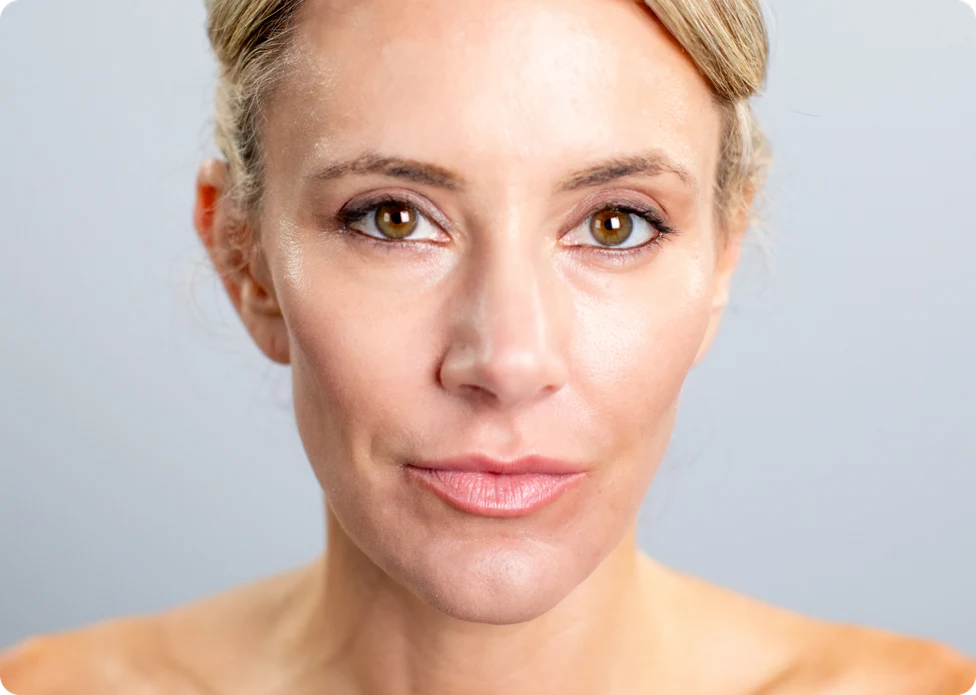
The nose sits at the center of the face, and the eye measures every other feature against it. A hump on the bridge, a drooping or bulbous tip, or a crooked profile can draw attention away from the eyes, while a structural problem inside the nose can make simply breathing through it a daily effort.
Rhinoplasty reshapes the nose so it relates naturally to the rest of the face. At NorCal Plastic Surgery, board-certified plastic surgeon Dr. Timothy Rankin plans each rhinoplasty around the whole face rather than an idealized template, with equal attention to how the nose looks and how it functions.
Consultations are available in Tiburon for patients throughout Marin County and the greater San Francisco Bay Area.
What Is Rhinoplasty?
Rhinoplasty, commonly called a nose job, is a surgical procedure that reshapes the bone, cartilage, and soft tissue of the nose to change its size, shape, or structure. It remains one of the most frequently performed cosmetic surgeries in the United States.
The operation may refine the bridge, tip, or nostrils, straighten a crooked nose, restore a nose changed by injury, or correct internal structures that obstruct airflow. The goal is a nose that fits the face and breathes well, not a nose that announces it was operated on.
What Can Rhinoplasty Address?
Depending on the anatomy and goals, rhinoplasty may improve:
- A hump or bump on the bridge
- A drooping, boxy, or bulbous tip
- A nose that appears too large or wide for the face
- Crookedness or asymmetry
- Nostril size or flaring
- Changes caused by injury or previous surgery
- Structural breathing obstruction, including a deviated septum
Rhinoplasty works within the limits of each patient's anatomy. Skin thickness, cartilage strength, and healing all influence how much refinement is realistic, and no surgeon can transplant one person's nose onto another person's face. The consultation should establish what your tissue can actually support.
Types of Rhinoplasty
Rhinoplasty is not one standard operation. The right approach depends on the anatomy, the goals, and the surgical history of the nose.
Cosmetic Rhinoplasty
Cosmetic rhinoplasty refines the visible shape of the nose, from reducing a dorsal hump to lifting and defining the tip. For male patients, the plan often preserves a straight, strong bridge rather than pursuing a smaller or scooped profile, so the result reads as masculine and unoperated.
Preservation Rhinoplasty
Preservation rhinoplasty reshapes the nose while retaining as much of its natural structure, ligaments, and support as possible, rather than removing and rebuilding them. When the anatomy allows it, this approach can mean less trauma, a more natural feel, and a stable long-term result.
Ethnic Rhinoplasty
Ethnic rhinoplasty refines the nose while respecting the features that reflect a patient's heritage. The objective is enhancement in harmony with the face, not conformity to a single standard of appearance. Cartilage strength, skin thickness, and bridge structure vary widely, and the surgical plan must account for them.
Revision Rhinoplasty
Revision rhinoplasty addresses functional or aesthetic problems left by previous nose surgery. Operating on a previously treated nose is more complex because scar tissue and altered structure change what the surgeon finds, and grafts are sometimes needed to rebuild support.
Nasal Reconstruction
Reconstruction restores nasal structure and soft tissue lost to injury or skin cancer removal, including after Mohs surgery. These procedures rebuild both the appearance of the nose and its function.
Who Is a Good Candidate for Rhinoplasty?
A good candidate is generally healthy, has a specific and realistic concern about the nose's appearance or function, and is pursuing the change for their own reasons. Because the nose must finish developing before it is reshaped, rhinoplasty is typically not performed before the mid-teens, around age 15 for girls and 16 for boys, and many patients are best served by waiting longer.
The consultation also considers medical history and medications, nicotine use in any form, previous nasal surgery or trauma, skin thickness, and breathing function. Patients whose expectations depend on matching a photograph of someone else's nose are usually better served by recalibrating the goal than by surgery.
How Does Dr. Rankin Perform Rhinoplasty?
Rhinoplasty is performed through an open or closed approach. An open rhinoplasty adds a small incision across the columella, the strip of skin between the nostrils, giving the surgeon full visibility of the nasal framework; the resulting scar is short and generally fades to near-invisibility. A closed rhinoplasty places all incisions inside the nose, which limits visible scarring but also limits access. The anatomy and the planned changes determine which approach is appropriate.
Through these incisions, the bone and cartilage are reshaped, straightened, reduced, or reinforced with grafts as the plan requires. A rhinoplasty typically takes three to four hours.
Dr. Rankin performs rhinoplasty under general anesthesia at accredited surgical facilities with board-certified anesthesiologists. The procedure is outpatient, and patients return home the same day with a responsible adult.
What Is Rhinoplasty Recovery Like?
Most patients plan one to two weeks away from work or school, depending on the extent of the procedure. A splint supports the nose for about the first week, and swelling, bruising around the eyes, congestion, and fatigue are expected early on.
Sleeping with the head elevated helps manage swelling. Strenuous exercise, heavy lifting, nose-blowing, and resting glasses on the healing bridge must wait until cleared. Contact sports and anything that risks a blow to the nose are restricted considerably longer.
Detailed aftercare guidance is available in the rhinoplasty recovery guide, though the instructions provided for your actual operation take priority.
When Will I See My Rhinoplasty Results?
The new shape is visible once the splint comes off, but it is not the final result. Most swelling resolves over the first several weeks, while the tip, where the skin is thickest, refines slowly.
Subtle changes continue for up to a year, and sometimes longer after revision surgery, as swelling fully settles and the skin redrapes over the new framework. Patients planning surgery around a wedding, graduation, or photography session should build in months of margin rather than weeks.
Are Rhinoplasty Results Permanent?
The structural changes made during rhinoplasty are permanent. The nose will still age with the rest of the face, and a significant injury can alter any nose, operated or not, but the reshaped framework does not revert.
Because the result is permanent, the decision deserves patience. A well-planned first rhinoplasty is the best protection against needing a revision.
What Are the Risks of Rhinoplasty?
Possible risks include bleeding, infection, anesthesia complications, prolonged swelling, numbness of the nose or upper lip, asymmetry, contour irregularities, breathing changes, septal perforation, unfavorable scarring, and the need for revision surgery.
Rhinoplasty carries a higher revision rate than many cosmetic procedures because the nose is unforgiving: millimeters are visible, and healing is not fully controllable. Dr. Rankin reviews the risks specific to your anatomy, goals, and surgical history before consent.
Heavy bleeding, fever, worsening pain, or signs of infection require prompt medical attention. Emergency symptoms require immediate care.
Why Choose Dr. Timothy Rankin for Rhinoplasty?
Rhinoplasty is widely regarded as one of the most demanding operations in plastic surgery. The margins are measured in millimeters, the structure must keep working as an airway, and the result sits at the center of the face for the rest of the patient's life.
Dr. Rankin is certified by the American Board of Plastic Surgery and is a Fellow of the American College of Surgeons. He completed a full general surgery residency at the University of Arizona, where he served as chief resident, followed by plastic surgery training at Vanderbilt University.
His approach is proportion-led: the nose is planned in relation to the chin, brow, and profile rather than in isolation. When facial balance would benefit more from another change, such as chin augmentation to support a recessed profile, or from combining procedures within a broader facial plastic surgery plan, he will say so before recommending nose surgery.
Frequently Asked Questions About Rhinoplasty
What is the difference between open and closed rhinoplasty?
An open rhinoplasty adds a small incision across the columella, the skin between the nostrils, giving the surgeon direct visibility of the nasal framework; the scar is short and typically fades to near-invisibility. A closed rhinoplasty keeps every incision inside the nose but limits surgical access. The right approach depends on the anatomy and the changes planned, not on a universal preference.
How long does rhinoplasty surgery take?
A rhinoplasty typically takes three to four hours under general anesthesia. Revision cases and reconstruction can take longer because scar tissue and grafting add complexity. The procedure is outpatient, so patients return home the same day after postoperative monitoring.
Is rhinoplasty painful?
Most patients describe the recovery as congested and uncomfortable rather than severely painful. Pressure, stuffiness, and headache are common in the first days and are managed with medication and head elevation. Bruising around the eyes looks worse than it feels and generally fades within about two weeks.
How old do you have to be for a nose job?
The nose must finish growing first, which generally means around age 15 for girls and 16 for boys at the earliest. Emotional readiness matters as much as anatomy, and many patients benefit from waiting longer. There is no upper age limit provided health is good.
Can rhinoplasty fix breathing problems?
Yes. Structural causes of obstruction, such as a deviated septum or weak nasal valves, can be corrected during rhinoplasty, and functional and cosmetic changes are often addressed in the same operation. An examination determines whether the obstruction is structural or caused by something surgery cannot fix, such as allergies.
Will rhinoplasty leave visible scars?
A closed rhinoplasty leaves no external scar. An open rhinoplasty leaves a small scar on the underside of the columella that typically fades until it is difficult to find. Reconstruction after injury or skin cancer removal may involve additional incisions, which are planned to sit within natural contours wherever possible.
When will my nose look normal after rhinoplasty?
Most visible swelling and bruising settle within two to three weeks, which is when patients generally feel comfortable in photographs. The final shape, especially at the tip, continues refining for up to a year as residual swelling resolves. One side may settle faster than the other along the way.
How much does rhinoplasty cost?
Cost depends on the complexity of the reshaping, whether functional work or revision is involved, anesthesia, and facility fees. Cosmetic rhinoplasty is generally not covered by insurance, though functional correction sometimes is; an examination is required for an individualized quote, and financing resources are available.
Request a Rhinoplasty Consultation
A useful rhinoplasty consultation should examine the nose inside and out, establish what your anatomy can realistically support, and plan the change in proportion to the rest of your face. Dr. Rankin will evaluate the bridge, tip, septum, and airway, explain the limits and risks, and recommend the approach suited to your nose.
Request a consultation at the Marin County office in Tiburon by calling (415) 727-9666. You may also schedule a consultation online.




Patient Stories
Hear From Our Patients
Real patients share what it's like to trust Dr. Rankin and our team — from the first consultation through recovery.
Watch Their Stories