

MicroLaser Peel™ in the San Francisco Bay Area
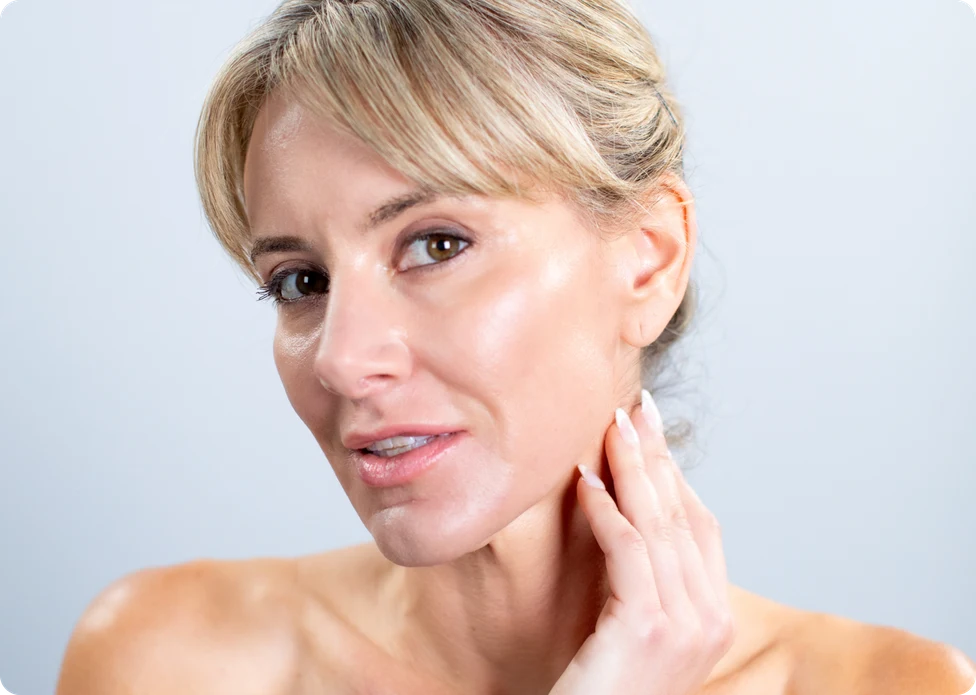

Renewal at the Surface
Much of what makes skin look tired lives in its outermost layer: accumulated sun damage, dullness, rough patches, and the fine lines that catch light unevenly. Correcting that layer does not always require deep resurfacing.
A MicroLaser Peel™ removes a precisely controlled depth of damaged surface skin so a smoother, brighter layer can take its place. At NorCal Plastic Surgery, it is one of several laser resurfacing options, selected when surface renewal, rather than deep correction, is what the skin actually needs.
Treatments are available in Tiburon and Walnut Creek for patients throughout Marin County, the East Bay, and the greater San Francisco Bay Area.
What Is a MicroLaser Peel?
A MicroLaser Peel is a light ablative laser treatment that removes a thin, uniform layer of damaged surface skin. It is often compared to a chemical peel because both renew the skin's surface, but the laser removes tissue at an exact, adjustable depth rather than depending on how a chemical solution penetrates.
The treatment is performed with erbium:YAG laser energy, which vaporizes the targeted surface layer with minimal heat spread into surrounding tissue. Because the depth is measured and controlled, the peel can be kept superficial for a quick recovery or set slightly deeper for more correction.
What Can a MicroLaser Peel Treat?
A MicroLaser Peel may improve:
- Dull, weathered skin
- Mild sun damage and uneven tone
- Fine lines
- Light acne scarring or surgical scars
- Enlarged-looking pores
- Superficial rough texture
Because it treats primarily the surface, a MicroLaser Peel cannot correct deeper wrinkles, significant scarring, or loose skin. Patients with those concerns may be better matched to ProFractional, Halo, or deeper resurfacing with Contour TRL, and the treatments can also be combined within one plan when appropriate.
What Happens During a MicroLaser Peel?
Preparation begins before the appointment. Retinoid creams are generally paused for at least three days beforehand, and recent tanning should be avoided. At the visit, the skin is cleansed, a topical numbing cream is applied and allowed to take effect for about 30 minutes, and protective eyewear is placed.
The laser is then passed over the treatment area with settings adjusted to your skin and goals. A session generally takes up to 40 minutes. Most patients describe mild stinging or warm tingling, and the device delivers bursts of cooling air to ease the sensation of heat. A protective ointment is applied afterward.
What Is Recovery Like?
Downtime after a MicroLaser Peel is modest. Expect redness, mild swelling, and flaking similar to a strong sunburn or chemical peel, generally subsiding within three to four days. An occlusive ointment such as Aquaphor keeps the skin comfortable while the new surface emerges.
Healing skin should never be scratched, scrubbed, or picked; doing so increases the risk of irritation, discoloration, and scarring. Sun exposure should be minimized, and daily broad-spectrum sunscreen is essential during and after healing. Detailed guidance is available in the laser resurfacing post-treatment instructions.
When Will I See Results, and How Many Peels Are Needed?
Smoother, brighter skin becomes apparent as the treated surface finishes flaking, usually within the first week. Improvement continues over the following weeks as the renewed surface matures.
Many patients build results progressively with a short series, commonly around three treatments spaced over six months, though the right schedule depends on the concern and how the skin responds. Sun protection and a compatible professional skin care regimen help maintain the result.
Who Is a Good Candidate for a MicroLaser Peel?
Because the depth is adjustable, a MicroLaser Peel suits a wide range of patients. A good candidate has surface-level concerns such as dullness, fine lines, or mild sun damage, realistic expectations, and a willingness to follow sun protection and aftercare instructions.
Treatment may need to be modified or postponed for active acne or infection, cold sores, recent tanning, isotretinoin use, or an inflammatory skin flare. Deeper skin tones can be more susceptible to post-treatment pigment changes, so device settings, preparation, and aftercare are chosen with particular care.
Why Choose NorCal Plastic Surgery for a MicroLaser Peel?
The judgment in a laser peel lies in choosing the depth: enough to remove the damage, no more than the concern requires. That decision depends on an honest evaluation of the skin, not on the device alone.
NorCal Plastic Surgery offers the MicroLaser Peel alongside BBL Photofacial, ProFractional, Contour TRL, and Halo, in a practice led by board-certified plastic surgeon Dr. Timothy Rankin. When surface renewal is the right treatment, it is performed with precision; when the concern lives deeper, a more suitable option is recommended instead.
Frequently Asked Questions About the MicroLaser Peel
Is a MicroLaser Peel better than a chemical peel?
Neither is universally better; they renew the surface in different ways. A MicroLaser Peel removes skin at an exact, laser-controlled depth, which can make the result more uniform and somewhat stronger than a light chemical peel. The better choice depends on the concern, the skin, and the recovery you can accommodate.
How deep does a MicroLaser Peel go?
The depth is adjustable and primarily affects the outermost layer of skin. Lighter settings refresh the surface with minimal downtime, while slightly deeper settings remove more accumulated damage in exchange for a few extra days of healing. The setting is chosen during consultation based on the concern and your tolerance for downtime.
How long is downtime after a MicroLaser Peel?
Most patients experience redness, mild swelling, and flaking that settles within three to four days. Social downtime is generally short, though the skin remains sensitive and requires diligent sun protection while it heals.
How many MicroLaser Peels will I need?
A single peel produces visible brightening, but many patients plan a short series, often around three treatments spaced over six months, for a fuller correction. The number depends on the amount of surface damage and how the skin responds.
What is the difference between a MicroLaser Peel and Halo?
A MicroLaser Peel removes a uniform surface layer, while Halo is a fractional treatment that delivers energy both at the surface and into deeper skin. Halo may be preferred when texture, pores, and tone need deeper remodeling; a MicroLaser Peel may be preferred for efficient surface renewal with brief downtime.
When can I wear makeup again?
Makeup is generally postponed until the treated surface has finished flaking and the skin has closed, often within several days. Your provider will confirm timing based on how your skin is healing, since applying products too early can cause irritation.
How much does a MicroLaser Peel cost?
Cost depends on the treatment depth, the area treated, and the number of sessions in the plan. NorCal Plastic Surgery provides individualized pricing after evaluating the skin, and qualified patients may explore available financing options.
Schedule a MicroLaser Peel Consultation
If dullness, fine lines, or mild sun damage are keeping your skin from looking its best, a consultation can determine whether surface renewal is the right treatment and at what depth. NorCal Plastic Surgery will evaluate your skin and recommend the option matched to your concern and your calendar.
Request a consultation at the Tiburon office in Marin County by calling (415) 727-9666, or at the Walnut Creek office in the East Bay by calling (925) 966-3920. You may also schedule a consultation online.




Patient Stories
Hear From Our Patients
Real patients share what it's like to trust Dr. Rankin and our team — from the first consultation through recovery.
Watch Their Stories