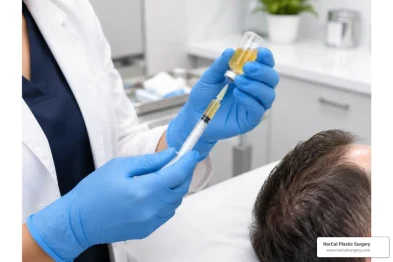
Loose skin after losing weight is one of the most common and least talked-about side effects of major weight loss. Here is a quick overview of the options:
Quick Answer: How to fix loose skin after weight loss
| Severity | Best Approach |
|---|---|
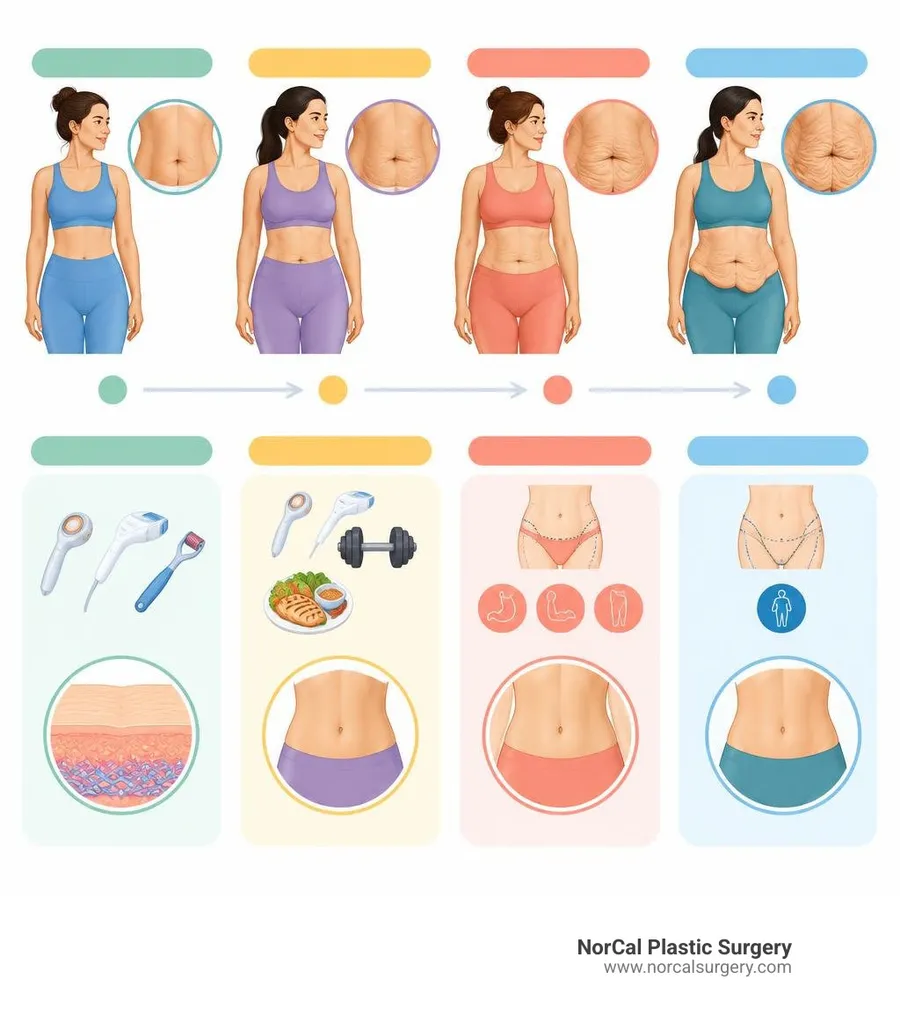
| Mild laxity | Radiofrequency, ultrasound therapy, microneedling |
| Mild to moderate | Combine non-surgical treatments, resistance training, and adequate protein |
| Moderate to severe | Surgical body contouring, such as a tummy tuck, body lift, arm lift, or thigh lift |
| Major weight loss | Surgery may be the only effective option for substantial excess skin |
Major weight loss takes commitment, consistency, and lasting lifestyle changes. For some people, however, skin does not fully adapt to the body's new shape.
Excess, redundant skin is common after substantial weight loss, particularly following bariatric surgery. With GLP-1 medications such as Wegovy and Mounjaro supporting weight loss for many patients, concerns about skin laxity are increasingly common.
The frustrating reality is that loose skin is not always something that creams, supplements, or exercise can correct on their own. The right solution depends on the amount of skin involved, the area of the body, and how long the skin was stretched.
This guide explains why it happens, what the evidence says about non-surgical treatments, and when surgery may be the most realistic path forward.
Dr. Timothy Rankin is a board-certified plastic surgeon and Fellow of the American College of Surgeons with specialized training in body contouring and skin tightening for people dealing with loose skin after losing weight. His training at Vanderbilt University and experience treating post-pregnancy and post-weight-loss body changes inform personalized treatment planning.
*Individual Results May Vary
Why Does Loose Skin After Losing Weight Happen?
To understand why skin sags, it helps to look at what happens beneath the surface during weight gain and loss.
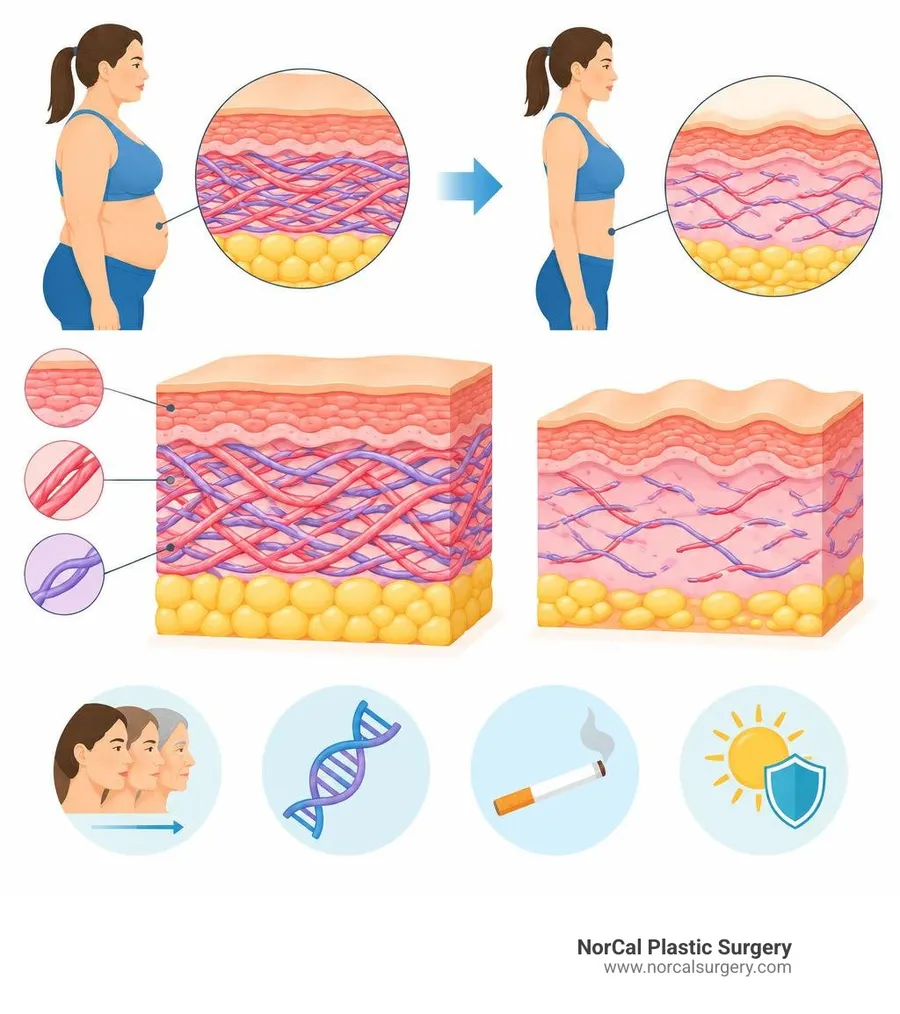
Skin is a living, dynamic organ. It expands as the body grows or gains weight, supported by two crucial structural proteins:
- Collagen: Collagen provides firmness, strength, and durability.
- Elastin: This protein gives skin its ability to stretch and recover.
When extra weight is carried for an extended period, collagen and elastin fibers can be stretched beyond their limits. Over time, chronic stretching can damage these fibers and reduce their natural elasticity.
After weight loss, the subcutaneous fat beneath the skin shrinks, but the overlying skin envelope may have lost structural integrity. Think of it like a rubber band: a briefly stretched band may recover, while one held under tension for years can lose elasticity permanently.
According to research on How Weight Loss Affects Your Skin, the length of time skin remains stretched is an important predictor of post-weight-loss laxity.
Biological Factors Influencing Skin Elasticity
Not everyone experiences the same degree of loose skin. Several biological and lifestyle factors influence how well skin retracts naturally:
- Age: Collagen production declines with age. Skin becomes thinner and less resilient over time, making it more difficult to recover after weight reduction.
- Genetics: Genetics influence baseline skin strength and elasticity.
- Smoking: Tobacco use can impair collagen production and accelerate collagen breakdown.
- Sun Exposure: Chronic UV exposure damages collagen and elastin. Consistent broad-spectrum sunscreen use helps protect existing skin structure.
For a deeper look at these mechanisms, review the clinical overview of How to Tighten Loose Skin After Weight Loss and Loose skin after weight loss: What causes it and what you can do?.
The Impact of Weight Loss Magnitude on Dermal Architecture
The amount of weight lost plays a major role in whether significant loose skin after losing weight develops.
- Substantial Weight Loss: Losing a large amount of weight increases the likelihood of permanent excess skin because structural fibers may be stretched beyond their biological capacity to recover.
- Post-Bariatric Weight Loss: People who lose a substantial amount of weight after bariatric surgery may develop redundant skin that causes physical discomfort and emotional distress.
Non-Surgical Treatments for Mild to Moderate Skin Laxity
For mild to moderate skin laxity, such as slight crepey texture around the abdomen, upper arms, or neck, non-surgical aesthetic procedures may help. These treatments deliver targeted energy into the dermis to trigger a controlled healing response and encourage collagen remodeling.
NorCal Plastic Surgery offers non-invasive options at medical spa locations across the Bay Area. Explore the available treatments on the medspa services page.
Radiofrequency and Ultrasound Therapy for Loose Skin After Losing Weight
Radiofrequency (RF) and ultrasound are widely used non-surgical skin-tightening options:
- Radiofrequency (RF) Skin Tightening: Devices such as Thermage deliver RF energy to heat deeper layers of the dermis. The treatment may cause immediate collagen contraction while supporting longer-term collagen remodeling over the following months.
- Ultrasound Therapy (Ultherapy): Micro-focused ultrasound energy bypasses the skin surface to heat deeper structural layers, including the SMAS layer often addressed during surgical facelift procedures. It may provide a lifting effect for the neck, jawline, and brow.
Microneedling and Laser Skin Tightening
For superficial texture concerns, energy-based devices can be paired with resurfacing treatments:
- RF Microneedling (VirtueRF): This treatment combines microneedling with radiofrequency energy delivered through the needle tips. It supports collagen remodeling and may improve crepey skin texture.
- Laser Skin Tightening (CO2 and Fractional Lasers): Laser energy heats water within the dermis, removes damaged surface cells, and stimulates new collagen formation. It can be useful for fine wrinkles and skin texture concerns on the face and upper body.
Learn more about non-surgical body sculpting through the medspa body treatments page.
Natural and Lifestyle Approaches to Support Skin Retraction
If you search the internet for "natural skin tightening," you will find thousands of blogs promoting firming creams, dry brushing, and magic supplements. But what does the actual scientific evidence say?
According to a rigorous scientific analysis in the How to Tighten Skin After Weight Loss Naturally: Honest Evidence Review, natural interventions have real, measurable limits. They cannot reverse severe structural skin redundancy. However, they can help optimize skin health and support natural retraction during a weight loss journey.
The two most useful lifestyle levers are:
- High Protein Intake: Consuming 1.2 to 1.6 grams of protein per kilogram of body weight daily provides the amino acids, including proline, glycine, and hydroxyproline, needed to synthesize collagen.
- Progressive Resistance Training: Lifting weights will not physically tighten skin itself, but building lean muscle beneath the skin can fill some of the space left behind by lost fat and create a firmer overall appearance.
Evidence-Based Comparison of Natural Remedies
| Remedy | Level of Scientific Evidence | Practical Impact on Loose Skin |
|---|---|---|
| Resistance Training | High | Fills out loose skin by building supportive underlying muscle. |
| Protein Optimization | High | Essential for collagen synthesis and muscle mass preservation. |
| Collagen Supplements | Moderate | Clinical studies show modest improvements in skin hydration and elasticity. |
| Daily Sunscreen (SPF 30+) | High | Prevents UV-induced degradation of existing elastin and collagen. |
| Topical Firming Creams | Low | Hydrates surface layers to temporarily plump skin, but does not restructure the dermis. |
| Hydration (Water Intake) | Moderate | Essential for cellular function and skin turgor, but will not repair stretched fibers. |
Surgical Body Contouring: The Definitive Solution for Severe Excess Skin
Non-surgical and lifestyle approaches can help with minor skin laxity, but they cannot remove severe hanging skin folds. When the skin's structural proteins have been permanently damaged, surgical removal of redundant tissue is the only definitive, lasting treatment.
Surgical body contouring after major weight loss can be reconstructive as well as cosmetic. It may improve physical function, reduce hygiene concerns such as intertrigo and chronic rashes, and support quality of life and body image.
Explore surgical options on the body procedures page.

Abdominoplasty and Panniculectomy
The abdomen is often the area most affected by weight loss. Two procedures commonly address this region:
- Tummy Tuck (Abdominoplasty): This cosmetic procedure removes excess skin and stubborn fat from the midsection. It can also repair separated abdominal muscles, known as diastasis recti, and reposition the belly button for a natural-looking result.
- Panniculectomy: Unlike a tummy tuck, a panniculectomy is a functional reconstructive procedure that removes the hanging apron of skin, called the panniculus, over the groin. It does not tighten abdominal muscles or reposition the navel, but insurance may cover it when documented medical issues are present.
Body Lifts, Arm Lifts, and Thigh Lifts for Loose Skin After Losing Weight
Major weight loss is rarely limited to the abdomen. Specialized lift procedures can address other areas of the body for more balanced proportions:
- Lower Body Lift (Circumferential Abdominoplasty): This procedure uses an incision around the waistline to lift the buttocks, tighten the outer thighs, and flatten the abdomen during one comprehensive operation.
- Arm Lift (Brachioplasty): Removes hanging underarm skin, with the incision typically placed along the inner arm.
- Thigh Lift (Thighplasty): Targets loose skin on the inner or outer thighs to restore a smoother contour to the legs.
How to Choose the Right Path for Your Body Goals
The choice between non-surgical treatment and surgical body contouring depends on anatomy, health status, and personal goals. A consultation with a qualified plastic surgeon can help determine the safest next step.
Essential Candidate Criteria for Surgery
Before a surgical procedure is scheduled at NorCal Plastic Surgery, patients are evaluated against important safety criteria:
- Weight Stability: Weight should remain stable for at least six months. After bariatric surgery or during GLP-1 treatment, a longer period of stability may be appropriate.
- Good Nutritional Status: Healing from major surgery requires adequate protein intake and optimized vitamin levels to reduce wound-healing risks.
- Non-Smoker: Smoking and nicotine use should stop for several weeks before and after surgery.
- Realistic Expectations: Every surgical lift leaves a scar. Incisions are positioned as discreetly as possible, often within underwear lines or natural folds, but scars are part of the tradeoff for improved contour.
Circumferential body-contouring procedures carry meaningful risks, including wound-healing delays and fluid collections called seromas. Choosing an experienced, board-certified plastic surgeon and following individualized pre- and post-operative guidance can help reduce risk.
Frequently Asked Questions about Loose Skin After Weight Loss
Patients throughout the Bay Area often ask the same questions about post-weight-loss skin changes. Here are the key facts:
Can loose skin after losing weight tighten on its own?
In mild cases, yes. Younger people with favorable genetics who lose weight gradually may see some natural skin retraction over several months. However, skin that has been stretched for years or after major weight loss may not tighten completely because collagen and elastin fibers can be permanently damaged.
How long should I wait after weight loss before considering surgery?
A stable target weight should be maintained for at least six months before surgery is considered. After bariatric surgery, waiting longer can be appropriate while weight and nutritional status stabilize.
Does insurance cover skin removal surgery?
Health insurance typically does not cover cosmetic procedures such as a tummy tuck or body lift. It may cover a panniculectomy when medical necessity is documented, such as chronic treatment-resistant skin infections, ulcers, or significant physical impairment from a hanging apron of skin.
Conclusion
Losing weight is a major achievement. Loose skin after losing weight is a normal physiological response to a substantial physical transformation.
NorCal Plastic Surgery helps patients throughout the Bay Area, including Tiburon, Walnut Creek, North Bay, East Bay, and Marin County. Award-winning, board-certified plastic surgeon Dr. Timothy Rankin creates personalized treatment plans focused on natural-looking, enduring results. Options may include non-invasive medical spa treatments for mild laxity or body contouring surgery for substantial excess skin.
Schedule a consultation with NorCal Plastic Surgery to discuss a personalized treatment plan. Give us a call at (925) 397-5486 or fill out our online form.